
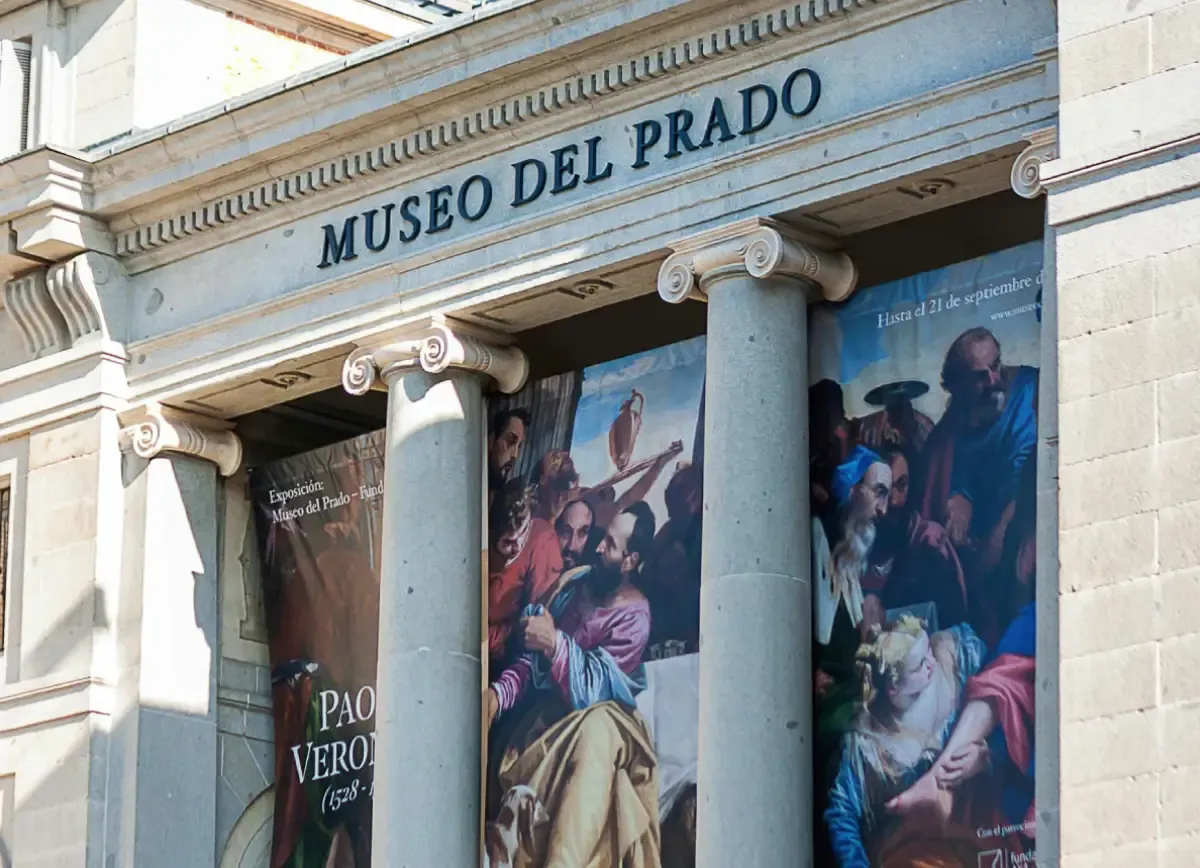
Temporary exhibitions at the Prado Museum
Here is everything you need to know about the temporary exhibitions at the Prado Museum available throughout 2026. Discover which artists are headlining the cultural agenda and find all the practical details to make your visit perfect.
Support when you need it
Customer support to help you with everything you need from 8:00 to 18:00.
Fast and online booking
Select your ticket for your needs and preferences and avoid the lines booking here.
Top attraction in Madrid
Enjoy masterpieces by Velázquez, Goya and other renowned artists at the Prado Museum.
What are temporary exhibitions?
The first thing you should know is that while the Prado Museum’s permanent collection houses the most famous paintings, the temporary exhibitions are what truly bring the museum to life. These are curated selections shown for a limited time, allowing you to dive deep into a specific artist, era, or theme that isn’t always available to the public.
The best part about this format is that even if you’ve visited the Prado before, you’ll always have a reason to come back. The museum refreshes these exhibitions periodically, bringing in pieces from private collections or other international museums. It is a rare chance to see paintings that might not coincide in the same room again for decades.
Additionally, these exhibitions usually offer a much more specific and detailed narrative, letting you learn about curious or lesser-known aspects of art history. Doesn’t it sound like the perfect excuse to rediscover the museum over and over again?
Upcoming exhibitions
If you already have your online ticket and you are organizing your visit to the temporary exhibitions at the Prado Museum, you’ll be interested to know that the upcoming lineup offers a variety that goes far beyond the usual classics. Through the first half of 2026, the museum has chosen to combine the favorite portraitists of former kings with contemporary artists who have sought inspiration in these very halls.
To make sure you don’t miss any dates and can choose the one that catches your eye, take a look at this table:
| Temporary Exhibition | Closing Date |
|---|---|
| The Martyrdom of Saint Andrew | June 30, 2026 |
| The artist’s world through the camera | July 5, 2026 |
| The Famine Painting | September 13, 2026 |
| In the Italian Manner. Spain and the Mediterranean Gothic, 1320-1420 | September 20, 2026 |
| The Council of State and the Museo del Prado | September 20, 2026 |
| Prado. 21st Century | September 27, 2026 |
| Valeriano D. Bécquer (1834-1870): The Paintings of Customs | October 4, 2026 |
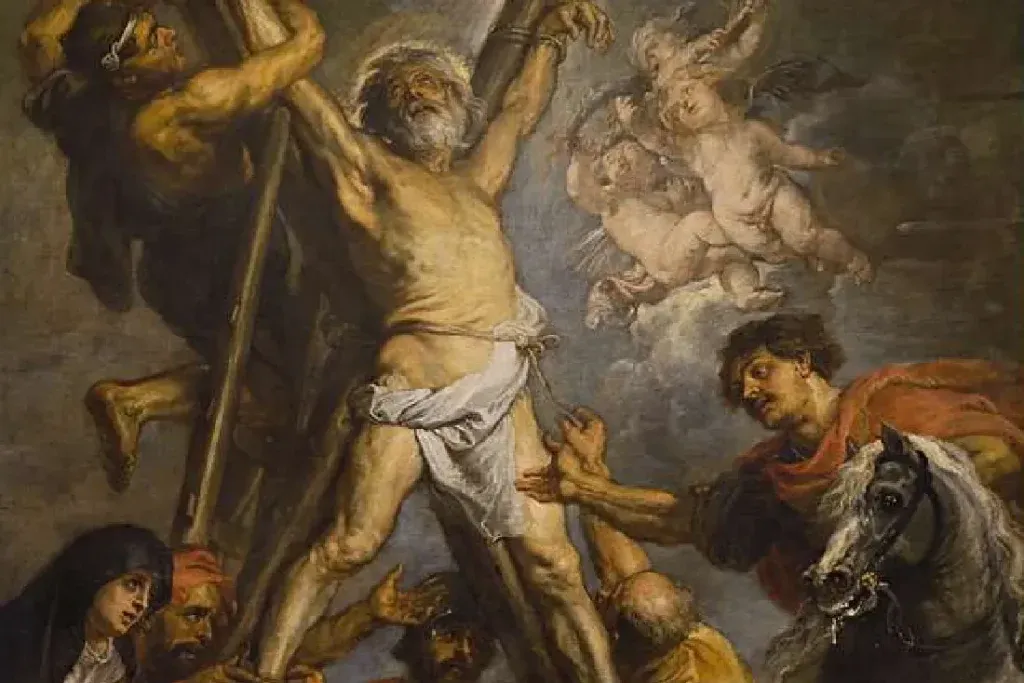
The Martyrdom of Saint Andrew
The Martyrdom of Saint Andrew
This exhibition focuses on an exceptional piece that allows us to delve into religious art and its narrative capacity. Located in Room 16B, the show revolves around the representation of this biblical moment, analyzing the iconography and the technique used by Rubens to convey the suffering and spirituality of the scene.
It is an opportunity to pause at a single work and understand the entire context surrounding it, from the preliminary sketches to the final execution. These exhibitions are ideal for those who enjoy analyzing every detail of classical painting without the distractions of crowded rooms. If you are passionate about Baroque painting and the power of religious imagery, make sure to visit the Prado before June 30, 2026, which is when the work will leave its temporary location.
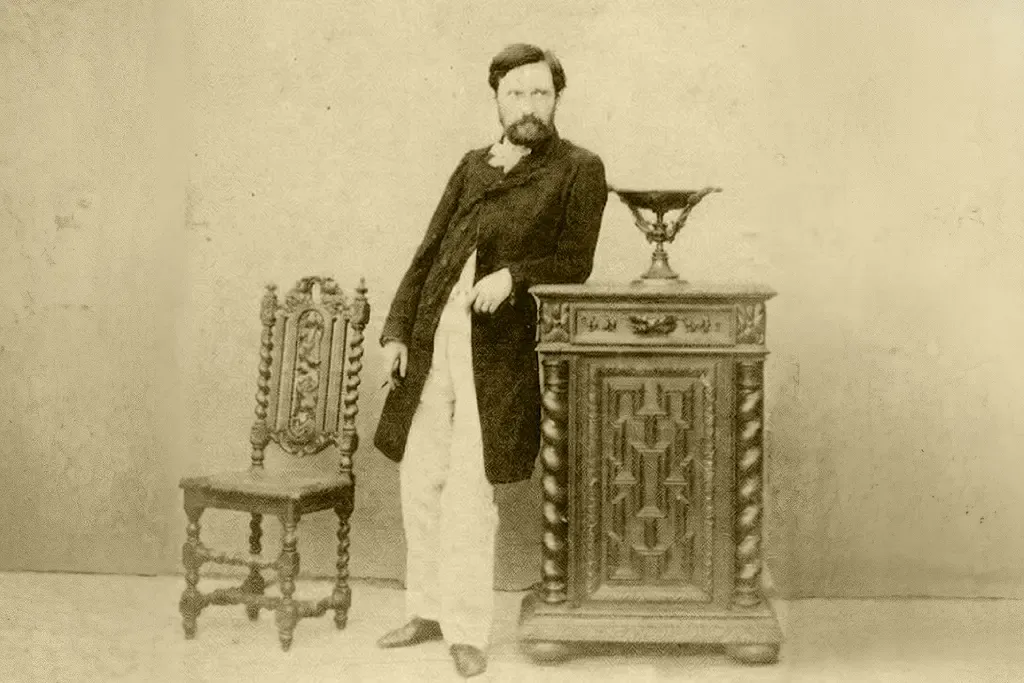
The artist’s world through the camera
This exhibition, located in Room 60, analyzes the representation of creators’ privacy and the use of photography to document their working environments. The show provides insight into the context of artistic creation through the lens of historical photographers.
It highlights the work of Alfonso Roswag, whose images recorded the reality of the studios, alongside pieces by Mariano Fortuny, Fernando Debas, Edgardo Debas, Gonzalo del Campo y del Castillo, and Kaulak. It is an opportunity to examine the connection between painting and early photography without the distractions of the main galleries. The exhibition will remain open at the Museo del Prado until July 5, 2026.
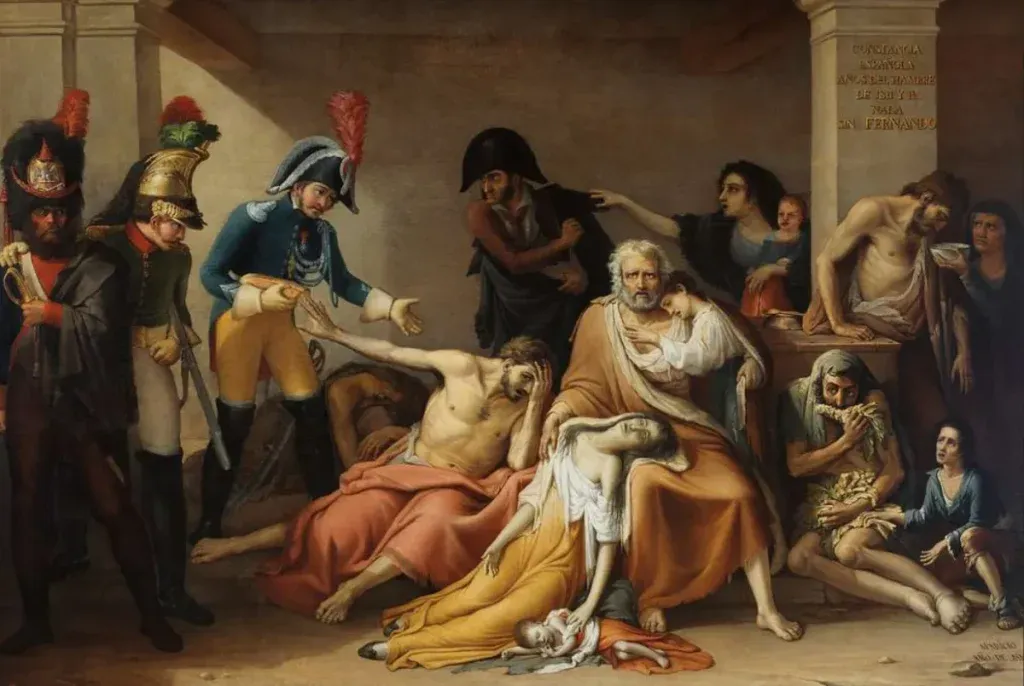
The Famine Painting
The Famine Painting
Located in Room 60, the showcase focuses on the representation of this dramatic historical episode, analyzing the iconography and technique used by José Aparicio to convey the helplessness and resilience of the civilian population. As one Instagram user describes it, it is "an impressive work."
It is an opportunity to pause at a single work and understand the entire context surrounding it, from its rise as a 19th-century cultural phenomenon to its subsequent historiographical neglect. If you are passionate about Spanish history and the power of imagery as a tool for propaganda and memory, make sure to visit this temporary location at the Prado, where the work will remain until September 13, 2026.
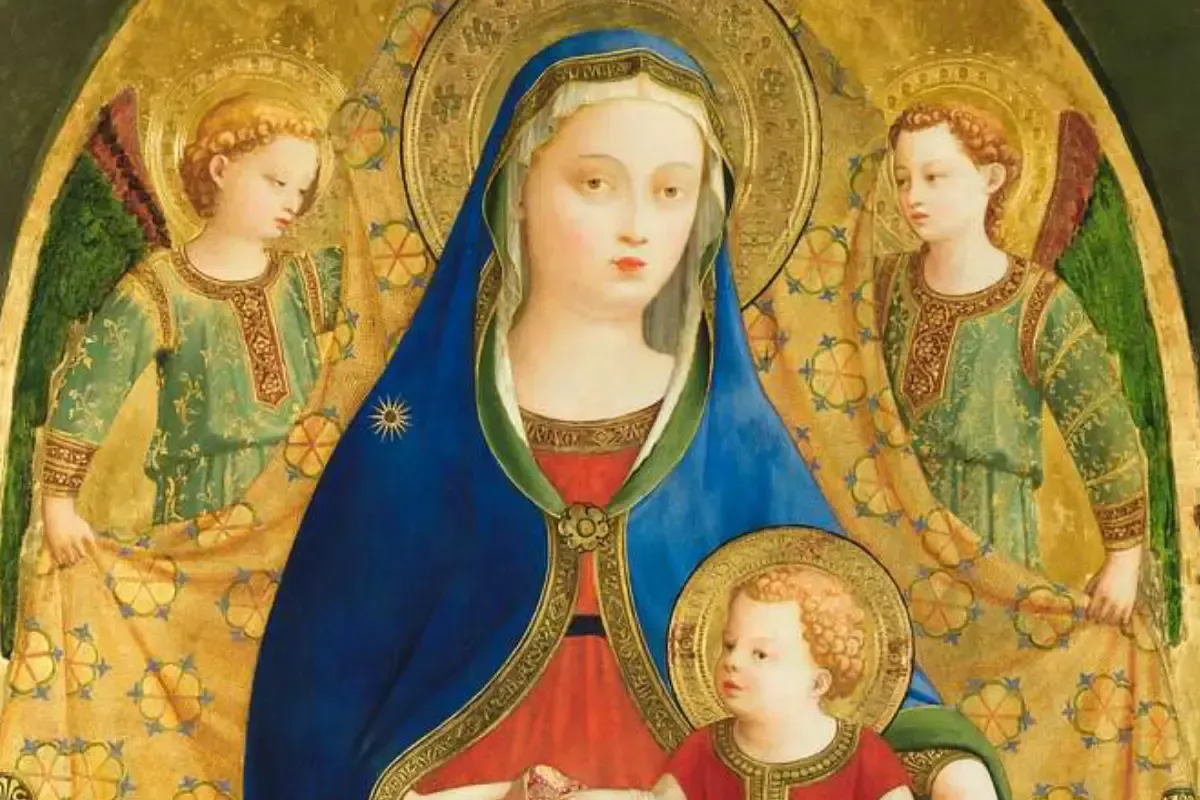
In the Italian Manner. Spain and the Mediterranean Gothic, 1320-1420
This exhibition focuses on the artistic exchanges that shaped the Mediterranean Gothic style. Located in Rooms A and B of the Jerónimos Building, the show revolves around how the Hispanic kingdoms received and adapted Italian Trecento models, analyzing the iconography and the gold leaf techniques used to develop a hybrid visual language.
It is an opportunity to look at more than one hundred works, including paintings, sculptures, goldsmithing, and manuscripts, and understand the network of trade and diplomacy that connected the Iberian Peninsula with Italy. These exhibitions are intended for those who study the details of late medieval art and the dialogue between Spanish and Italian masters that crossed traditional artistic boundaries. If you want to see Gothic painting and medieval altarpieces, visit the Prado before September 20, 2026.
The Council of State and the Museo del Prado
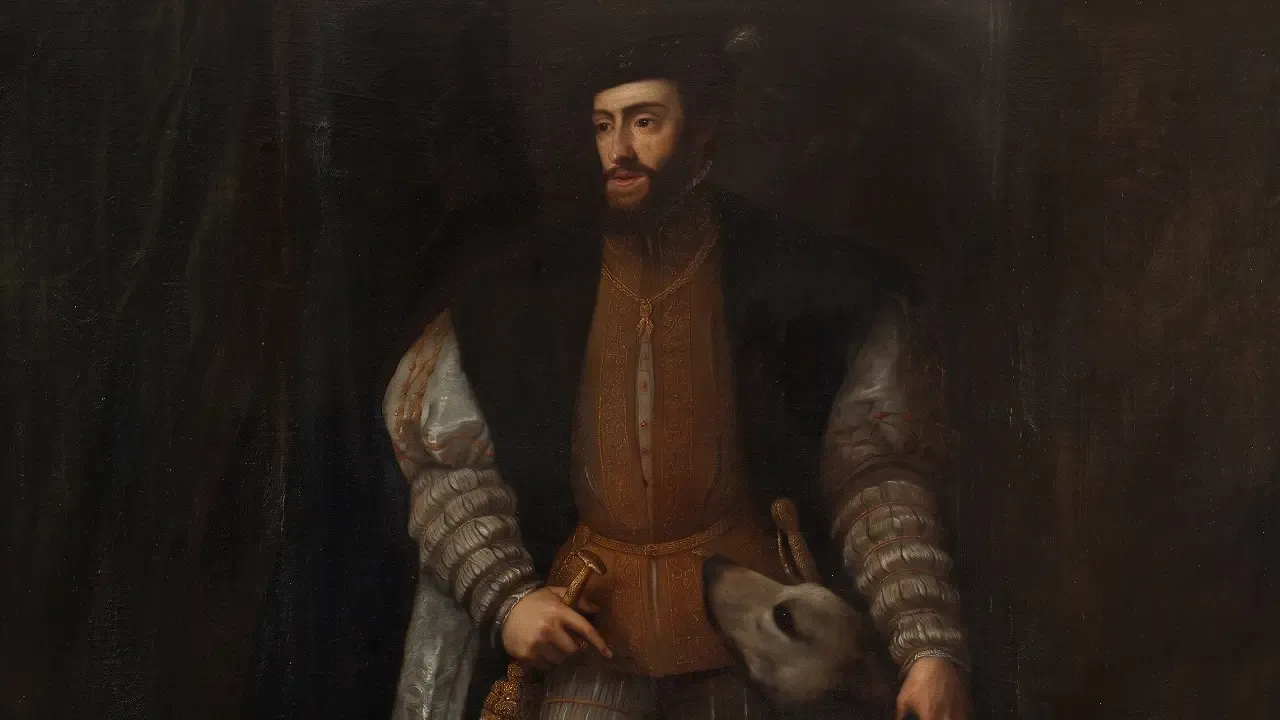
The Council of State and the Museo del Prado
Surveying five centuries of Spain's history, this thematic itinerary focuses on the relationship between art and public power, analyzing how governance intersects with portraiture. It highlights works such as Titian's Emperor Charles V with a Dog, Peter Paul Rubens's Equestrian Portrait of the Duke of Lerma, and Diego Velázquez's Gaspar de Guzmán, Count-Duke of Olivares, on Horseback.
It provides an opportunity to observe the evolution of Spanish portraiture, from Baroque court paintings to nineteenth-century photography and lithography. Visitors who study the history of the Council of State can view this itinerary at the Museo del Prado, where it remains until September 20, 2026.
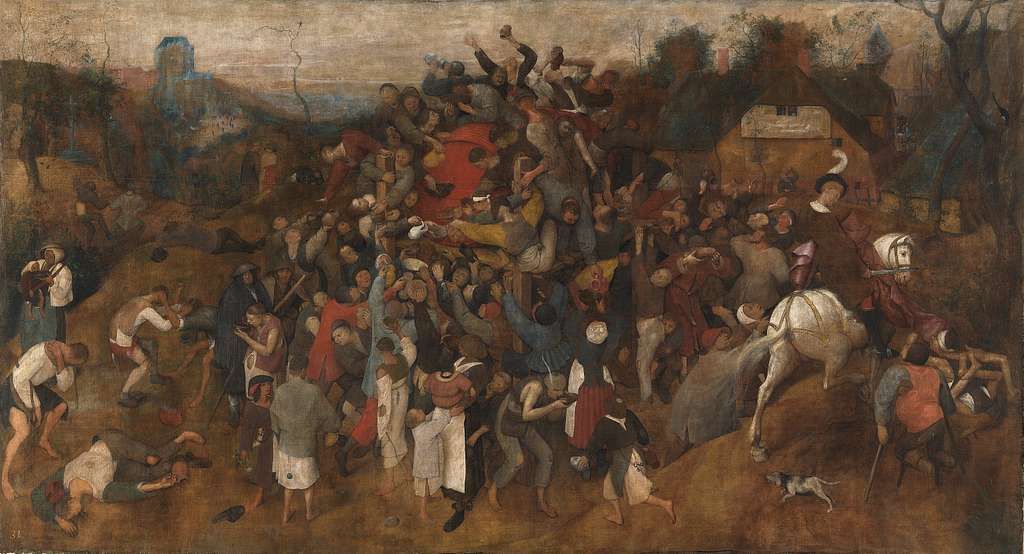
Prado. 21st Century
Tracing the evolution of the Museo del Prado over the first quarter of the 21st century, this exhibition focuses on the profound transformation process undergone by the institution, analyzing its growth, modern acquisitions, and its role as a leading global museum. It highlights milestones like the identification and restoration of Pieter Bruegel the Elder’s The Wine of Saint Martin's Day.
It is an opportunity to understand the entire context surrounding the museum's evolution, from important masterwork acquisitions to the vital background work of its research, publishing, and restoration departments. If you are passionate about art history, museum curation, and the behind-the-scenes evolution of world-class cultural landmarks, make sure to visit this exhibition at the Prado, where it will remain until September 27, 2026.
Valeriano D. Bécquer (1834-1870): The Paintings of Customs
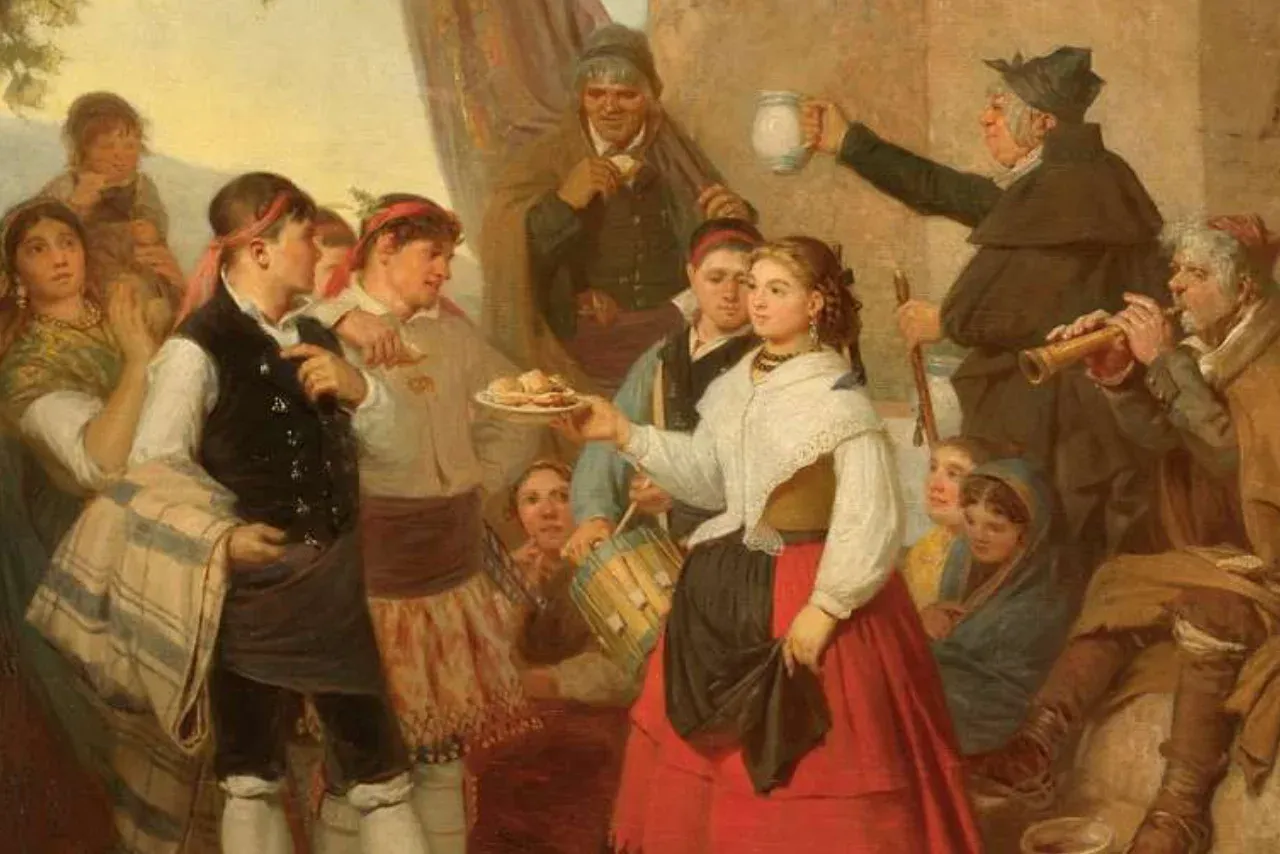
Valeriano D. Bécquer (1834-1870): The Paintings of Customs
Set to bring together for the first time at the Museo del Prado the eight artworks created between 1866 and 1867 by Valeriano D. Bécquer, this exhibition will focus on a government commission originally intended for the former Museo de la Trinidad. Although the artist only managed to capture three provinces, Zaragoza, Soria, and Ávila, the ensemble will highlight his attention to traditional clothing and the depiction of local archetypes, serving as an example of 19th-century Spanish genre painting (costumbrismo).
It will be an opportunity to understand the cultural context surrounding Spain's regional diversity, captured through an artistic and ethnographic lens. If you are passionate about 19th-century art history, the preservation of cultural heritage, and the portrayal of traditional customs, make sure to visit this exhibition at the Prado, which will run from July 13 to October 4, 2026.