
The Prado Museum is located at Calle de Ruiz de Alarcón, 23, 28014 Madrid, Spain, situated within the prestigious Paseo del Arte near El Retiro Park. Visitors can access the gallery through the Puerta de Jerónimos for general admission or the Puerta de Goya for ticket sales.
The address of the Museo Nacional del Prado is Calle de Ruiz de Alarcón, 23, 28014 Madrid, Spain. Located right on the Paseo del Arte, the museum has several main entrances for the public: the Puerta de Jerónimos is the standard entrance for general admission and temporary exhibitions, while the Puerta de Goya is primarily used for ticket sales and access with specific passes. Its privileged location places it just a few meters from the Royal Botanical Garden and El Retiro Park.
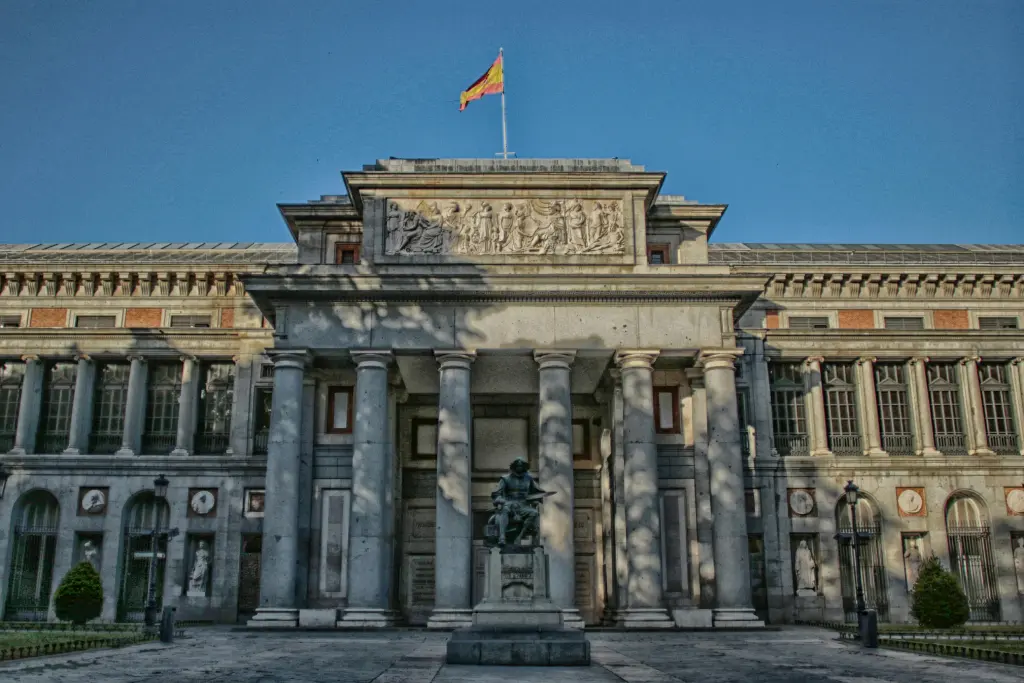
Thanks to its privileged and well-connected location, reaching the Prado Museum is very simple. Visitors can reach the museum via public transport (metro and bus), bicycle, taxi, or even by walking through the “Paisaje de la Luz”, an urban area in Madrid that was added to the UNESCO World Heritage list in 2021, as it combines historical architecture, art, and nature.
This is the fastest option. As one user on Facebook points out, “taking the metro is easy, cheap, fast, and safe.” Although the Prado Museum does not have a metro station directly beneath its foundations in order to protect the historic center, there are two options located approximately 900 meters away:
Regarding pricing, single tickets cost between €1.50 and €2.00. An alternative is to purchase the Multi Card (at a cost of €2.50, which can be shared among family members) and load it with a 10-trip pass.
Since the government has extended public transport discounts for 2026, the 10-trip package costs €7.30. This brings the value of each trip to €0.73, resulting in a reduction of over one euro per trip compared to a single ticket.
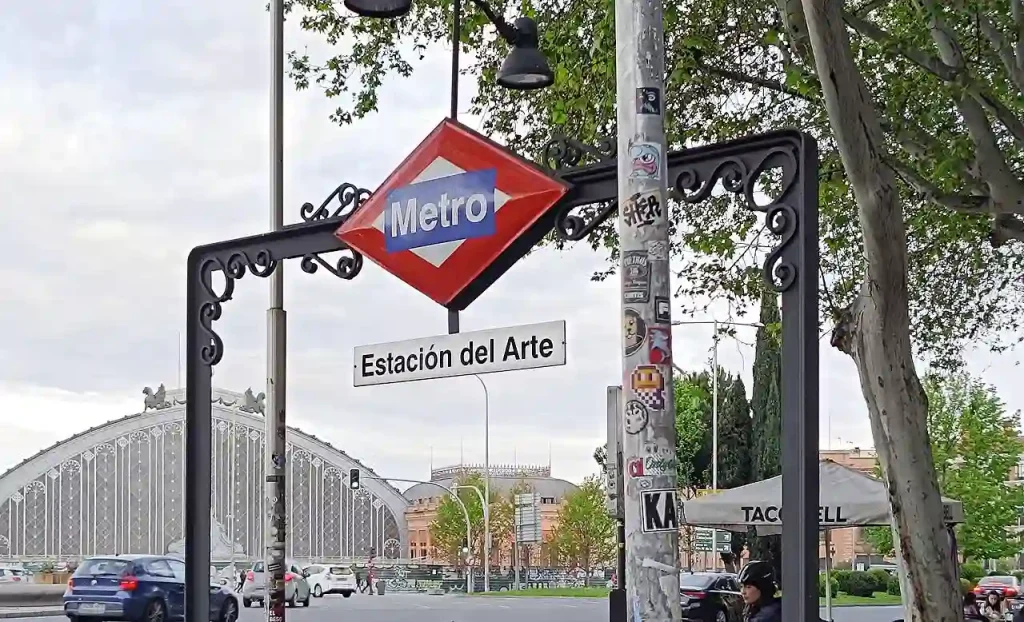
The closest metro station to the Prado Museum is Estación del Arte (Line 1). This location serves as the primary reference point for visitors, as it is situated less than a five-minute walk from the gallery.
Upon exiting this station, visitors only need to walk a few meters along the Paseo del Prado to reach the Murillo Gate. This proximity makes it the fastest and most direct option for those looking to be near the site and find a convenient Prado Museum metro stop in Madrid.
Bus stops are located directly at the museum entrance. Some of the available routes include:
Yes, access is available both by private bicycle and through the city’s public electric bicycle system, known as BiciMAD. To use this service, travelers must register as ‘occasional users’ through the mobile application.
It should be noted that bicycles may only be parked at official BiciMAD stations. The closest stations to the Prado Museum are:
In the event of visiting the Prado Museum with a private or rental bicycle, the owner must secure it to the public bicycle racks (U-shaped metal supports) located along the sidewalks. Bicycles must not be attached to historical railings, trees, or the museum fence.
Reaching the Prado Museum on foot is also possible. The following are the recommended walking routes:
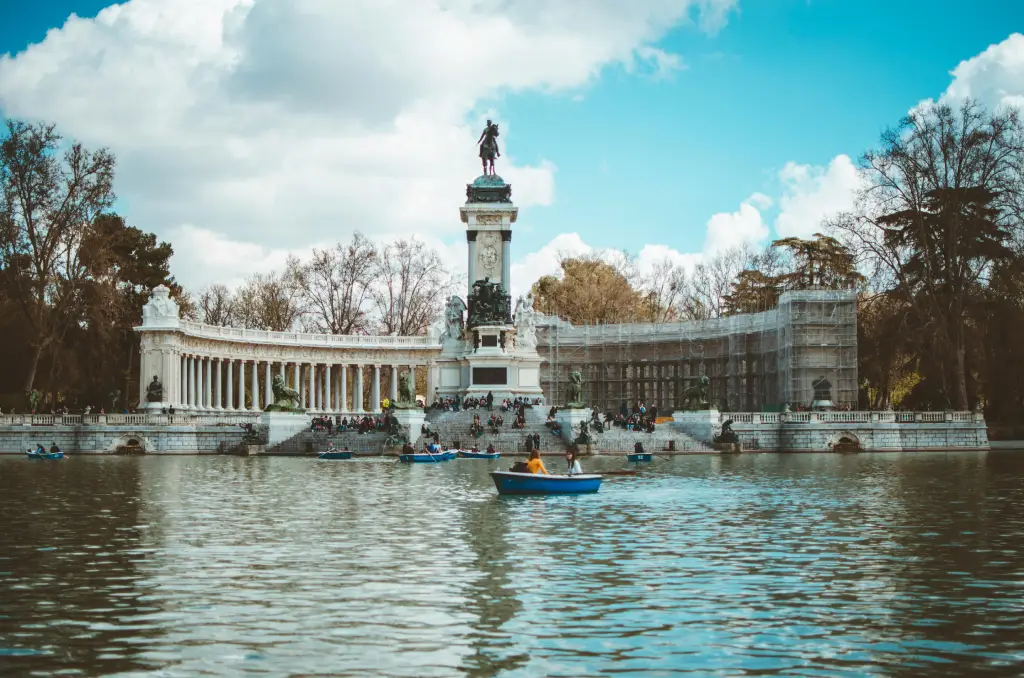
There is a high availability of taxis in Madrid. They can be requested through online applications or hailed on the street to reach the desired destination.
The Prado Museum does not have its own public parking lot. Instead, drivers must rely on several private and municipal underground car parks located within a short walking distance.
The most convenient options for a parking near the Prado Museum include:
These facilities typically operate 24 hours a day. Rates in this central area generally range from €2.50 to €4.50 per hour, with daily maximums often reaching between €25 and €35.
Additionally, it is crucial to consider the traffic restrictions in the area. The museum is located within the Madrid 360 Low Emission Zone (ZBE). Currently, vehicles without an environmental label (Category A) are strictly prohibited from circulating in the city. Furthermore, the museum borders the “Distrito Centro” special protection area, where vehicles with B or C labels are only permitted to enter if they go directly to a public parking lot. Therefore, booking a space in advance is highly recommended to avoid fines and ensure seamless access to the cultural district.
PRADO TICKETS
Embark on an enriching journey through the Prado Museum with our convenient entry ticket, offering exclusive access to one…
MADRID INFORMATION
Learn about the Prado Museum’s location in Madrid. Find directions and tips to easily navigate to this cultural landmark…
MADRID INFORMATION
Discover Prado’s hours, plan your visit effortlessly. Uncover the iconic museum’s opening times for an enriching experience…


