Prado Museum Tickets Online
Buy your entry tickets to Prado Museum and plan your visit for an unforgettable experience at Spain’s premier art museum. Enjoy works by Goya, Dalí, Velázquez, El Greco, Hieronymus Bosch, and more.
Support when you need it
Customer support to help you with everything you need from 8:00 to 18:00.
Fast and online booking
Select your ticket for your needs and preferences and avoid the lines booking here.
Top attraction in Madrid
Enjoy masterpieces by Velázquez, Goya and other renowned artists at the Prado Museum.
Tickets to visit the Prado Museum
Tickets to visit the Prado Museum
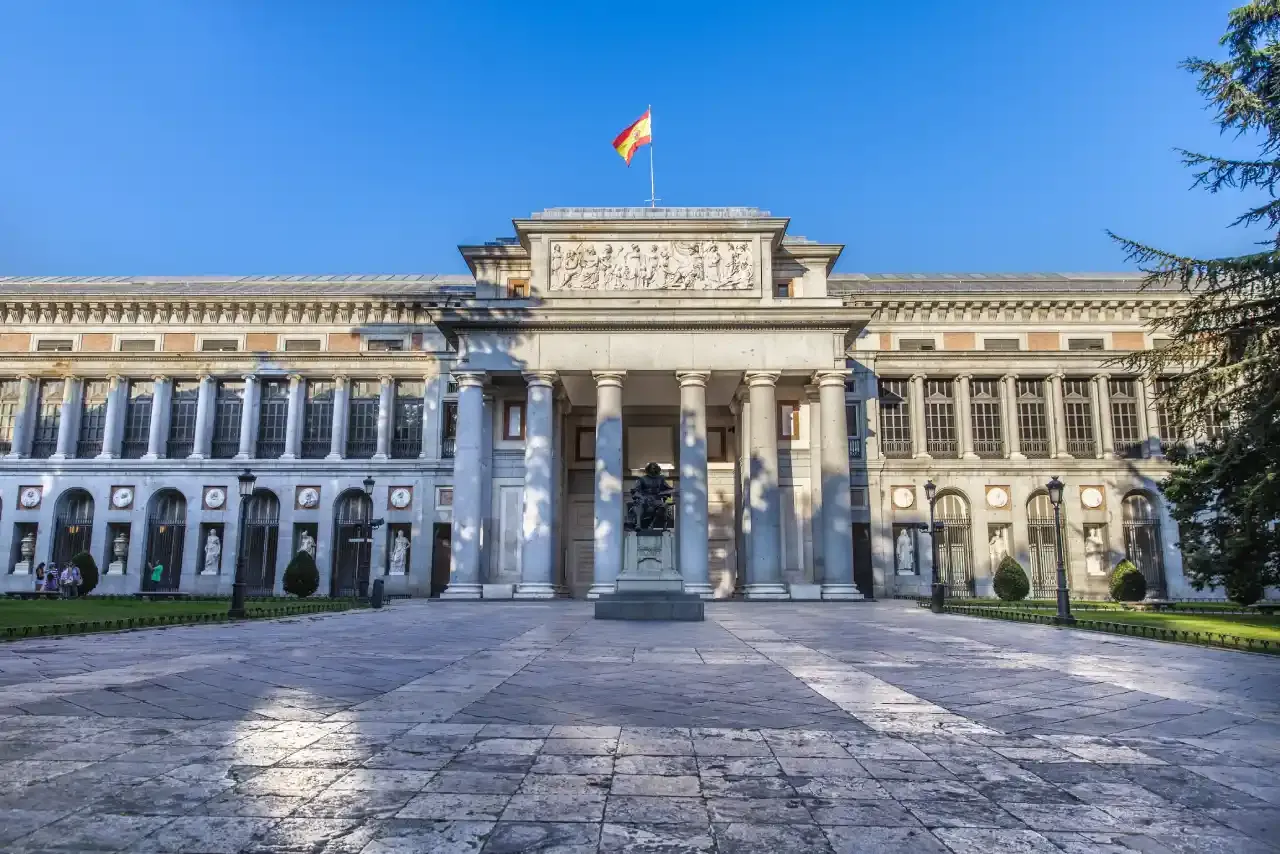
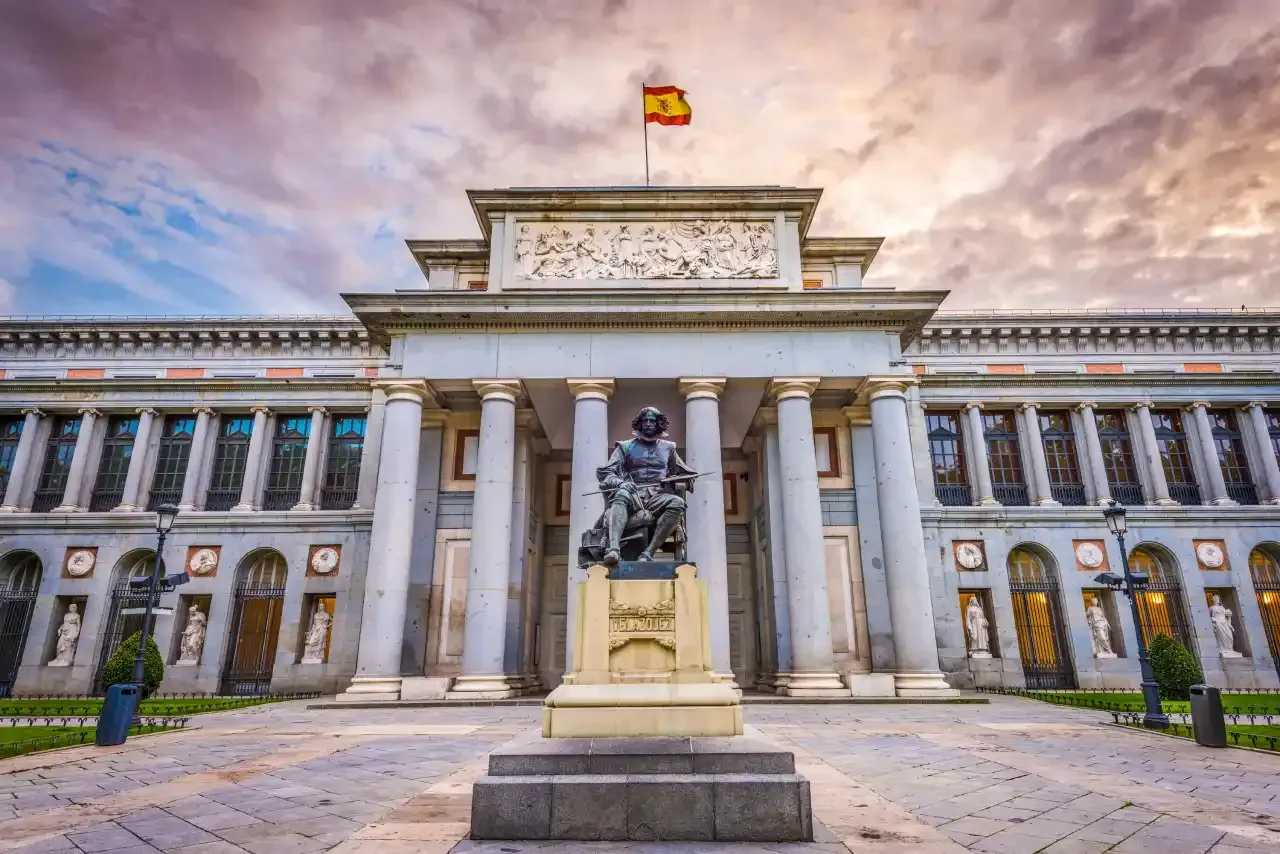
Located in the heart of Madrid, the Prado Museum is one of the city’s most iconic attractions and a must for anyone visiting the capital. Home to the world’s finest collection of Spanish painting, along with masterpieces from other European schools, it offers an unforgettable journey through centuries of art.
With over 15,000 m² of exhibition space and works by more than 5,000 artists in its archives, the museum invites you to explore its vast galleries at your own pace. Entry requires a ticket, and opening hours vary depending on the day so planning ahead is key.
Secure your ticket now and make sure you don’t miss this essential Madrid experience!
Everything you need to know before visiting the Prado Museum
So when you plan your visit to the Prado Museum, it is important to learn all about it. The more you learn about it in advance, the less time you will take to figure it out while you are there.
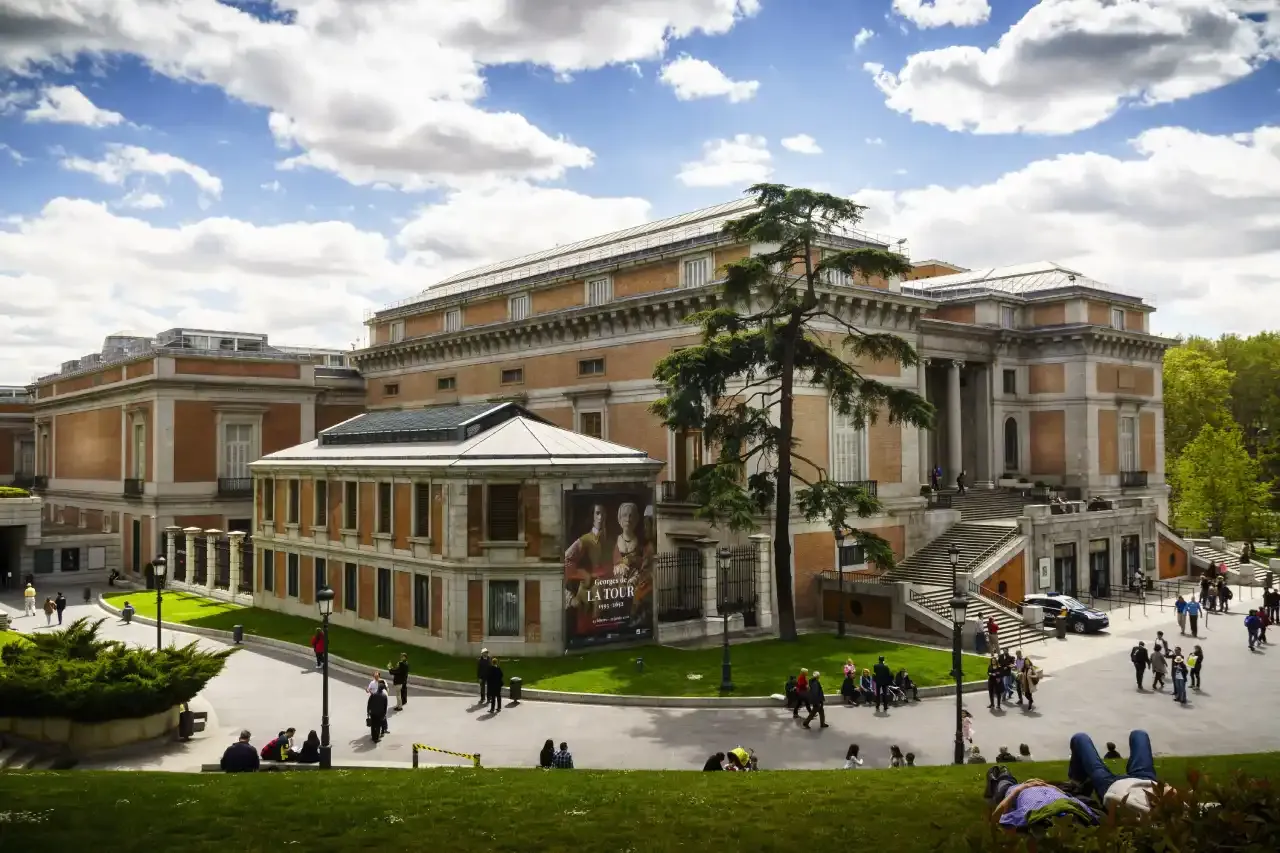
The museum layout consists of several floors and wings. The main building of the museum was designed by architect Juan de Villanueva. This area contains most of the masterpieces in the museum.
There are three floors: the ground floor, the first floor, and the second floor. The ground floor consists of Romanesque, Gothic, and Renaissance art. The first floor contains the major works of Goya, Velazquez, and El Greco. And the second floor consists of Flemish and Dutch paintings, including works by Van Dyck and Rubens.
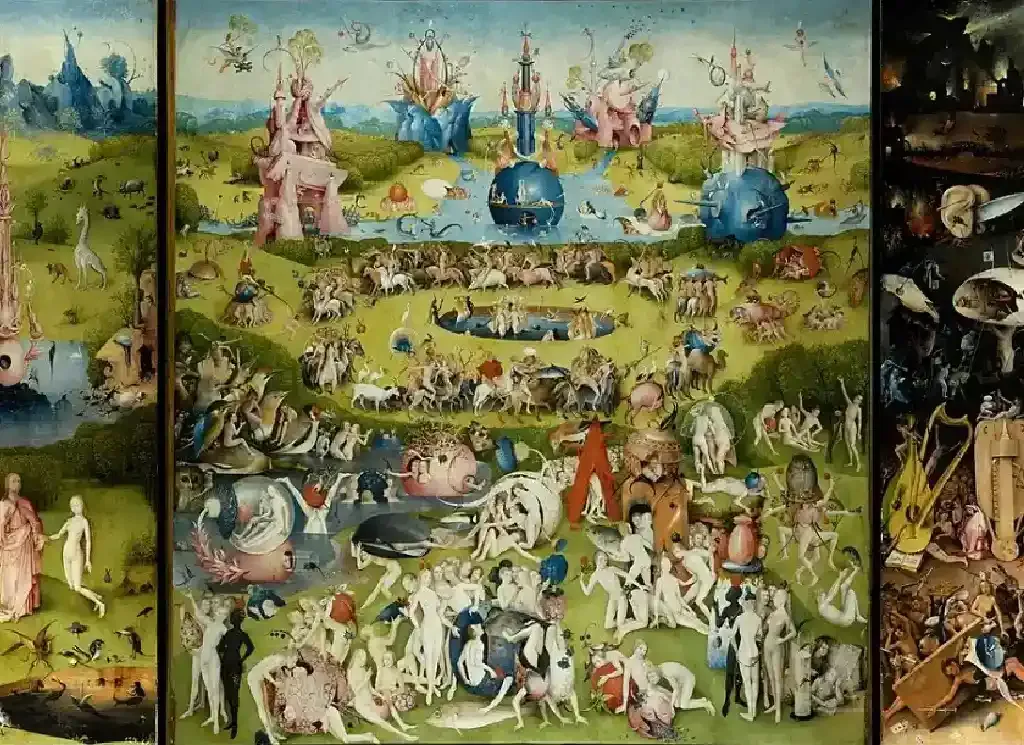
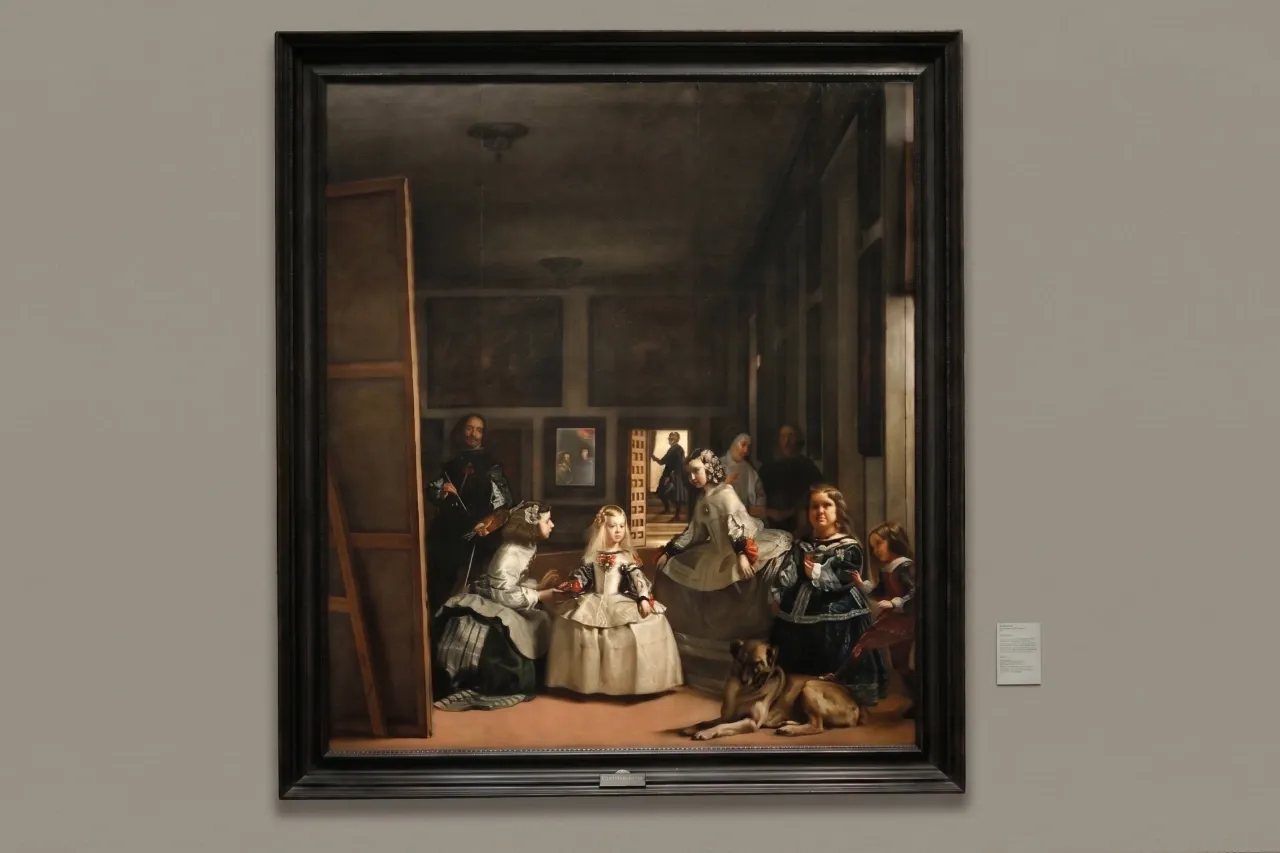
“Las Meninas” by Diego Velázquez, “The Third of May 1808” by Francisco Goya, and “The Garden of Earthly Delights” by Hieronymus Bosch are some of the masterpieces that you must see if you are visiting the museum.
Opening hours
To plan a successful visit, understanding the Prado Museum opening hours is crucial. The gallery welcomes visitors from Monday to Saturday between 10:00 and 20:00. On Sundays and public holidays, the doors are open from 10:00 to 19:00.
It is important to note that the museum remains closed on January 1, May 1, and December 25. Additionally, there are reduced hours from 10:00 to 14:00 on January 6, as well as on December 24 and 31.
Access to the galleries is permitted until 30 minutes before the closing time each day.
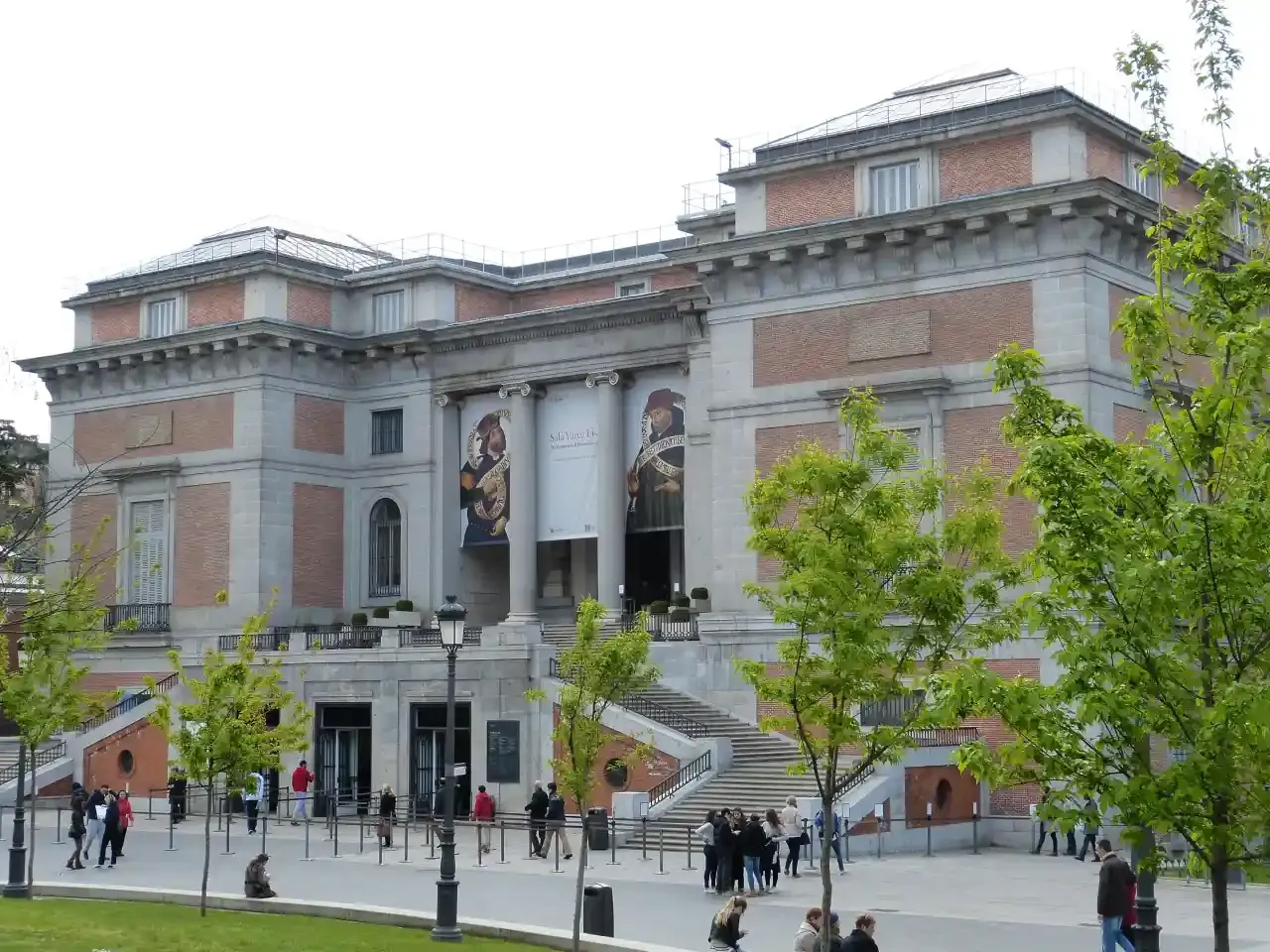
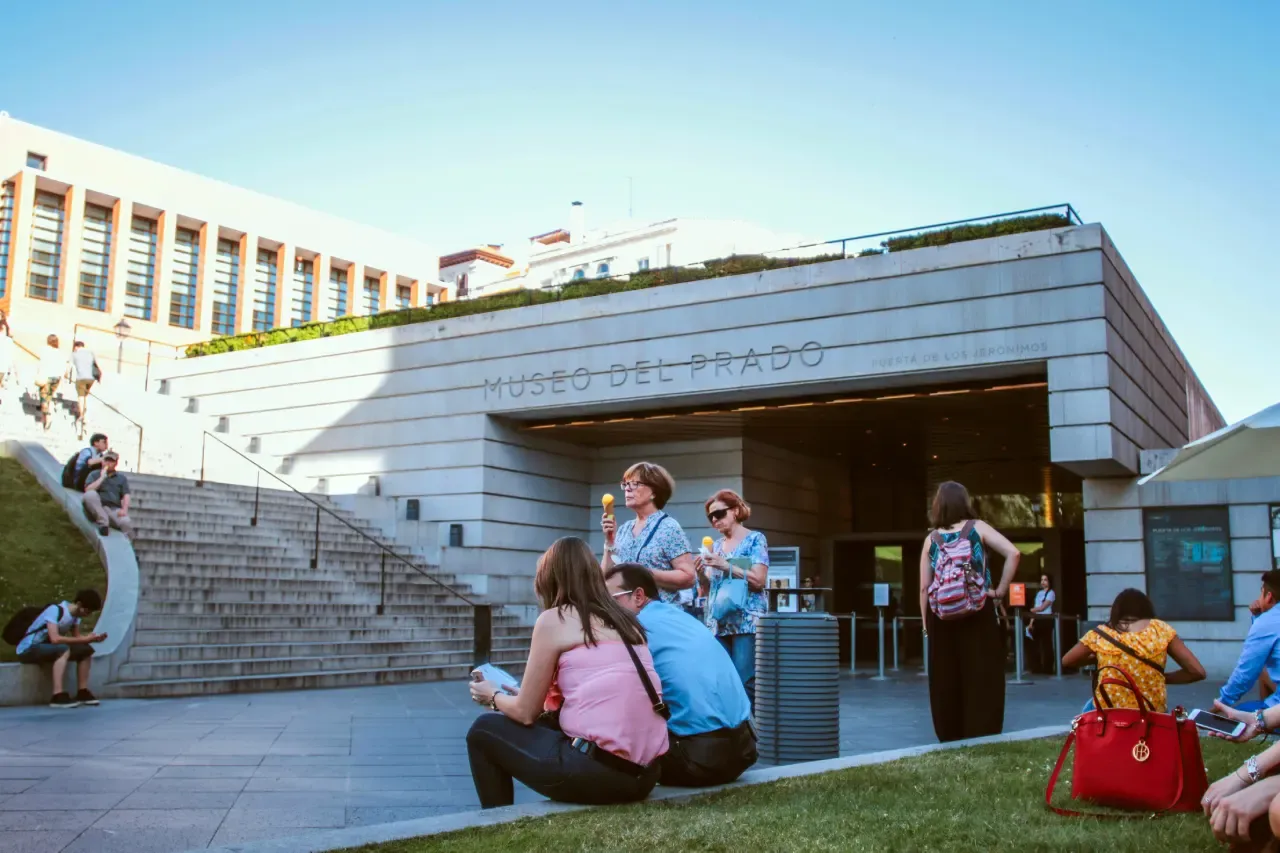
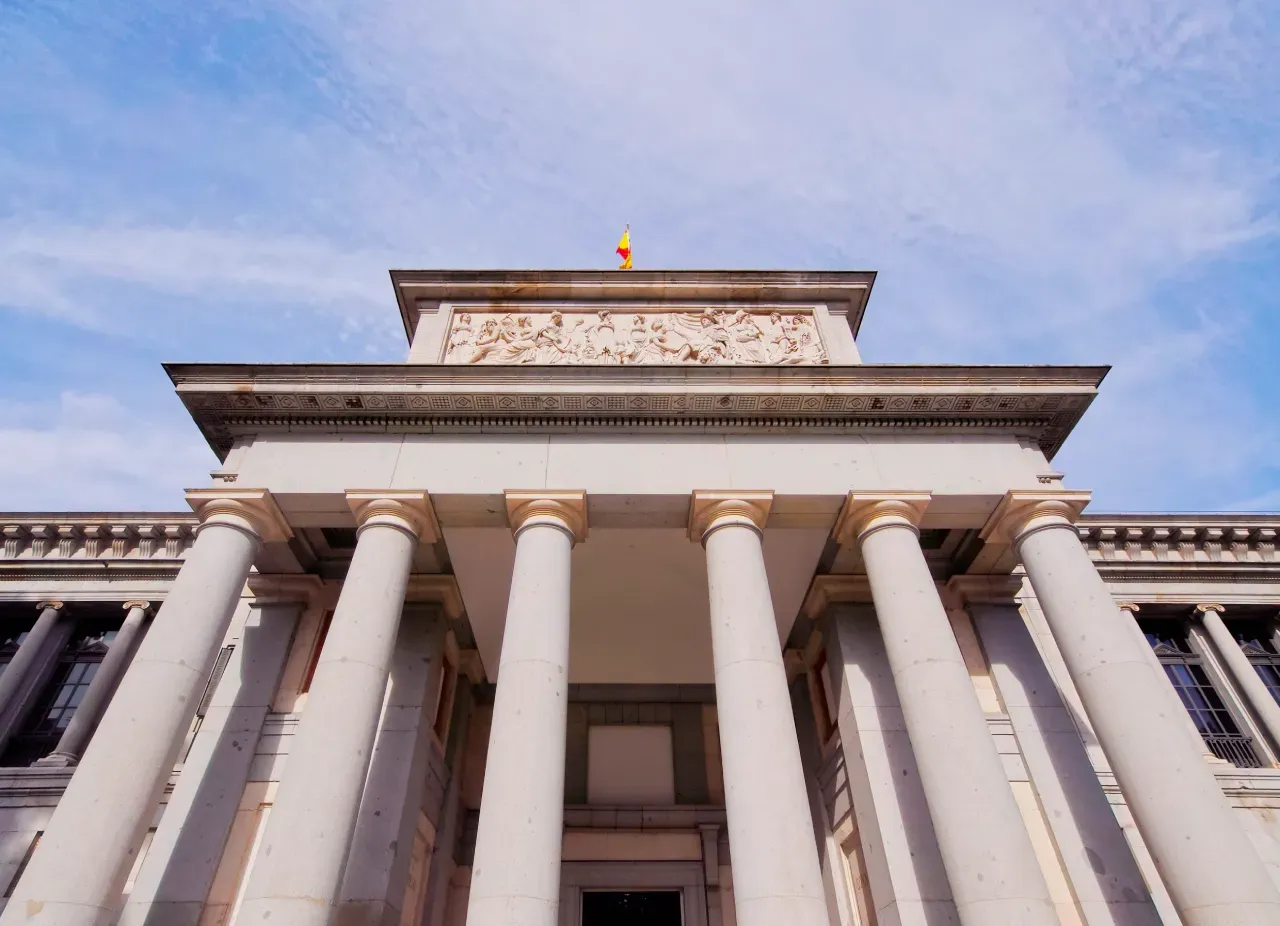
Prado Museum Collections
If you are an architectural lover, then the main building of the museum will leave you enchanted. The building is an excellent example of neoclassical architecture and the expansions and renovations have only added to the beauty of the building, providing it with a modern look.
The Prado Museum comprises more than 9,000 drawings, 6,000 prints, and 10,000 photographs. This large collection is one of the reasons why it is a must visit for tourists.
The museum is making continuous efforts to preserve old art. This initiative has been appreciated by many people. By using several methods, current art can be preserved for future generations.
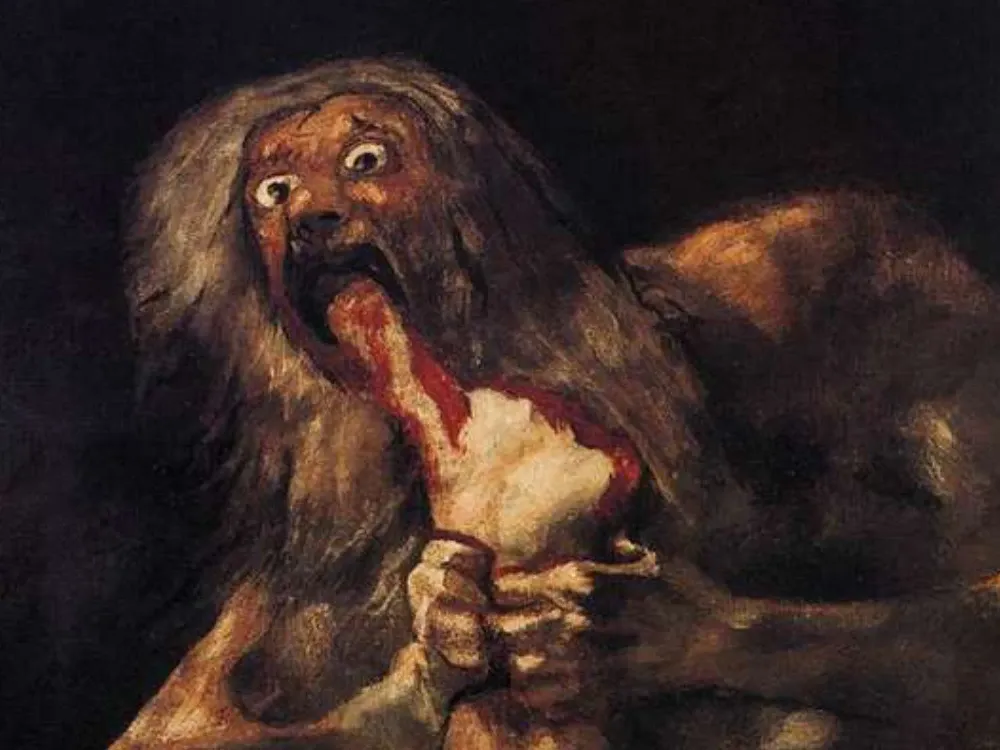
Spanish paintings
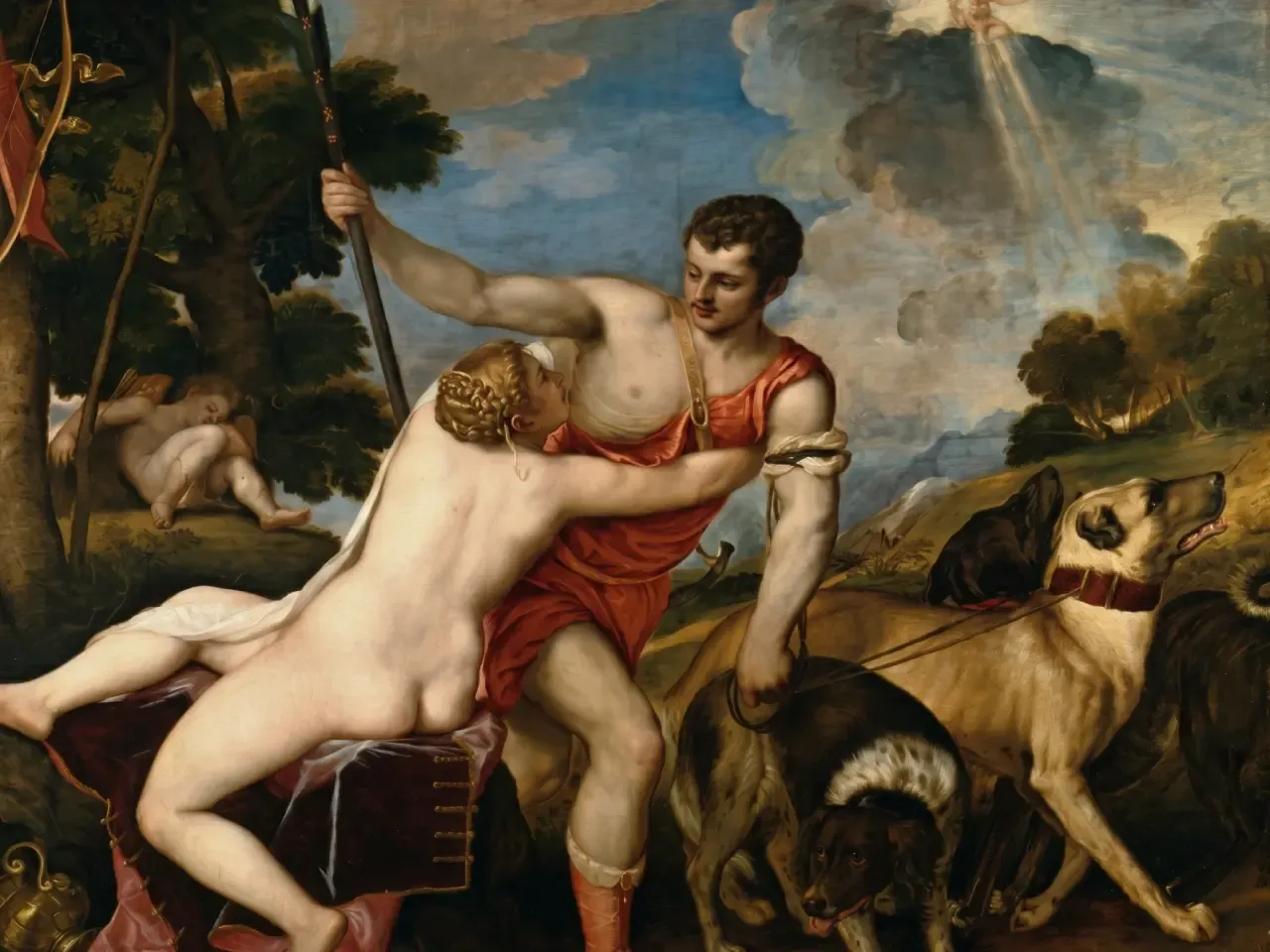
Italian and French paintings
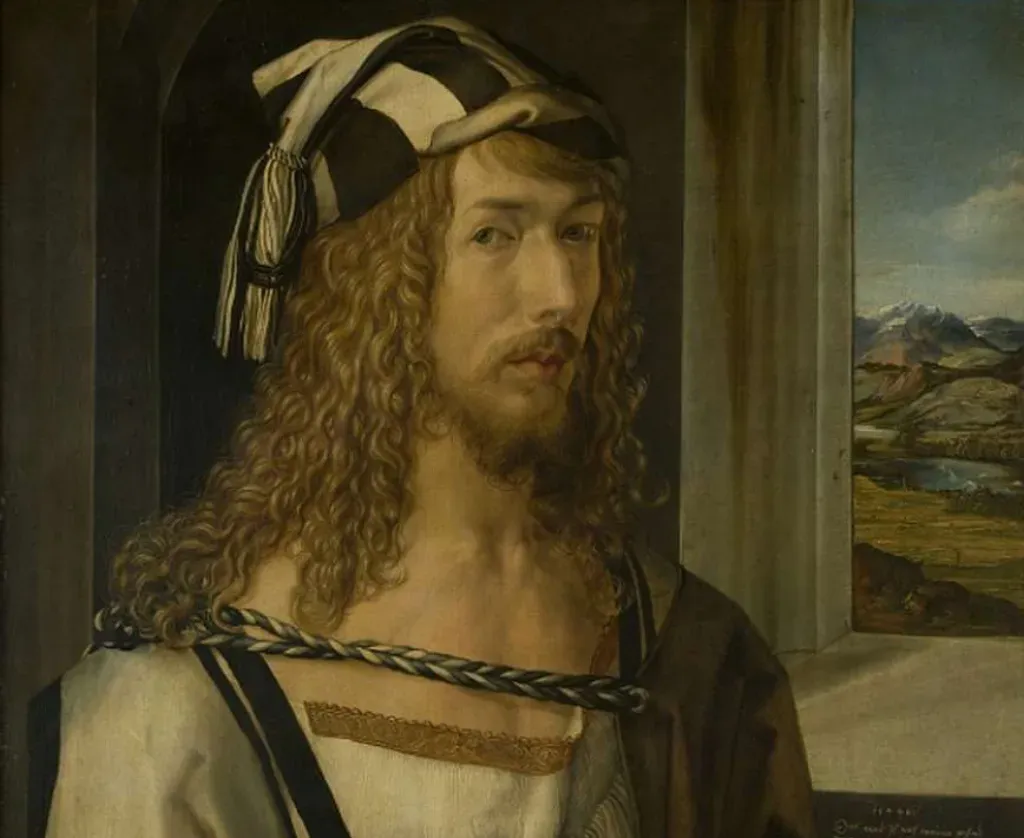
German paintings
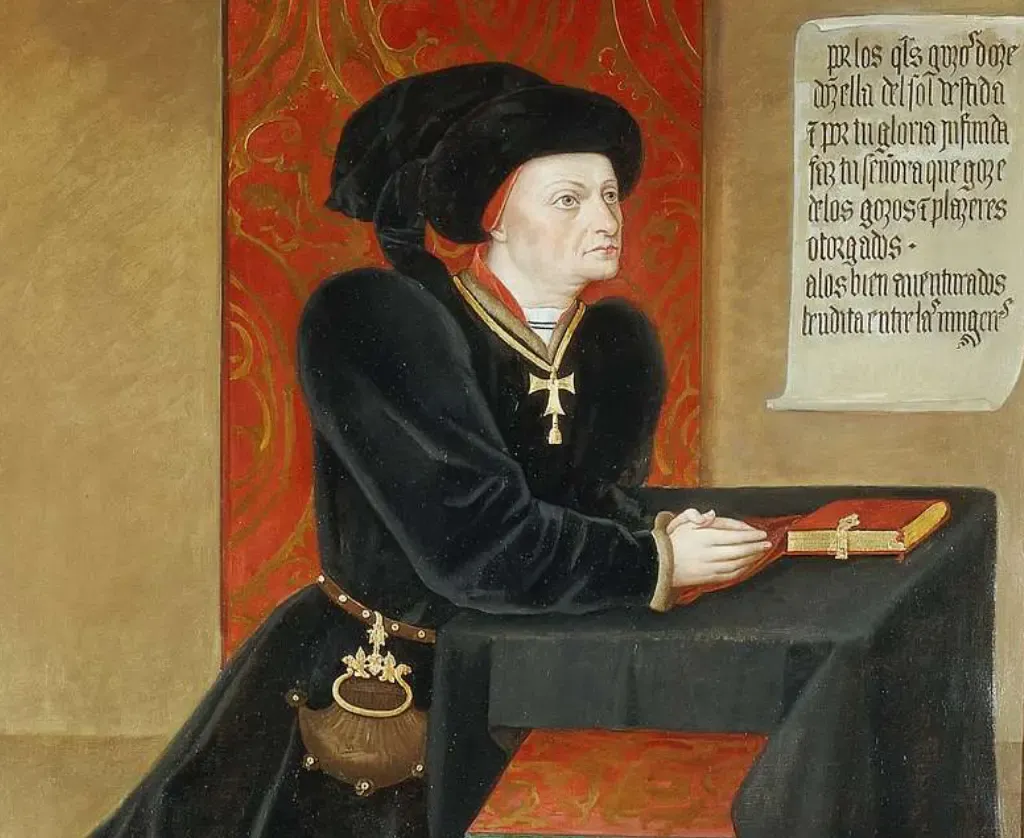
Romanesque and Gothic Art
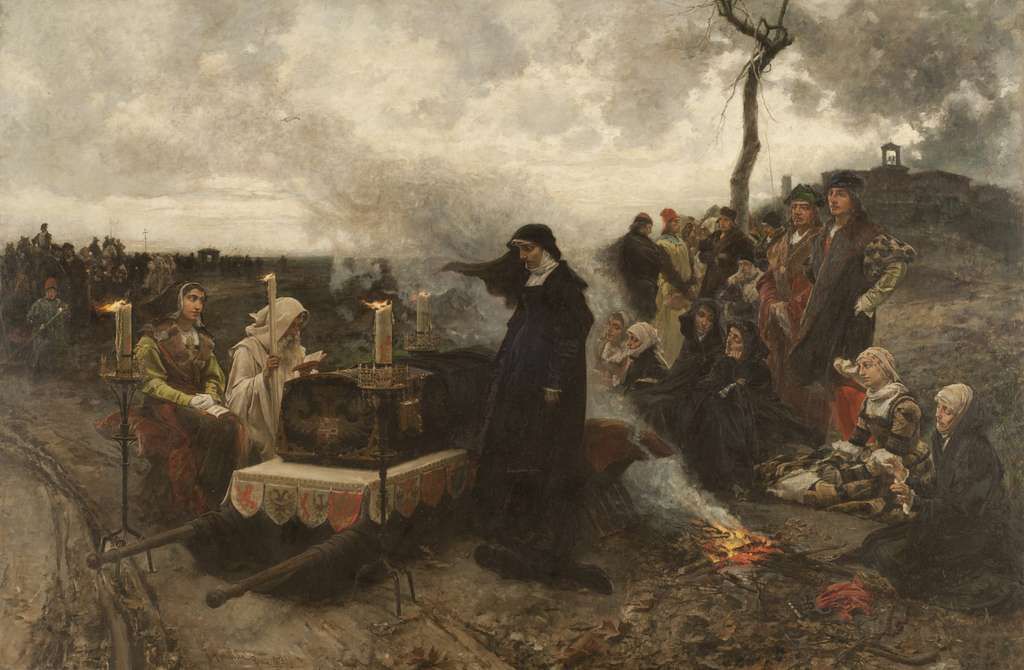
19th Century Paintings
Flemish Paintings & Northern Schools
Best paintings at the Prado Museum
Explore the best paintings in the Prado Museum, home to some of the most influential works in art history. The museum’s collection features masterpieces such as Velázquez’s “Las Meninas”, a captivating portrayal of the Spanish court, Goya’s “The Third of May 1808”, a powerful depiction of wartime horror, and Bosch’s “The Garden of Earthly Delights”, an intricate vision of paradise and damnation.
Each painting offers a glimpse into the rich tapestry of European art history, reflecting the profound skill and vision of their creators. Dive into the fascinating stories, artistic techniques, and cultural contexts behind these iconic works, and uncover the treasures that make the Prado Museum a must-visit destination.
Other things to do in Madrid
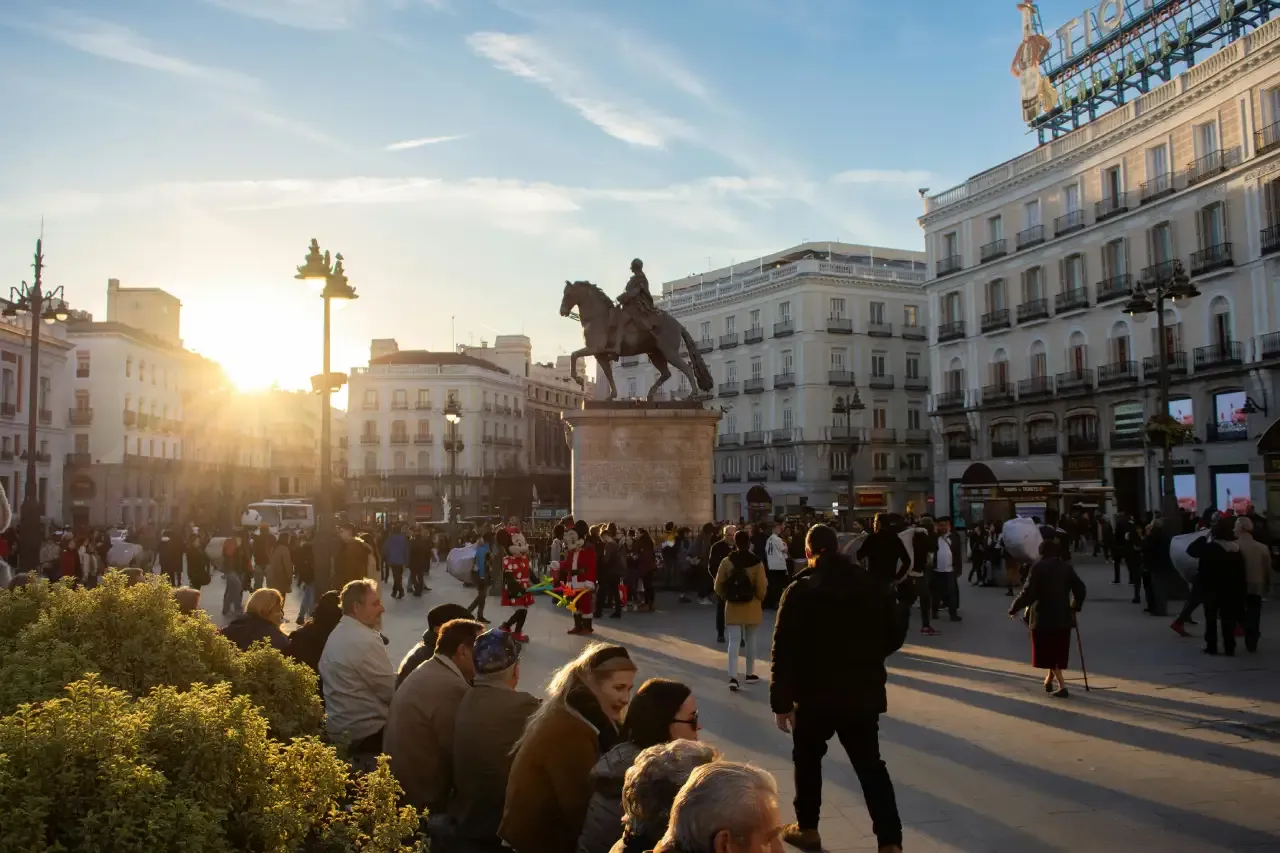
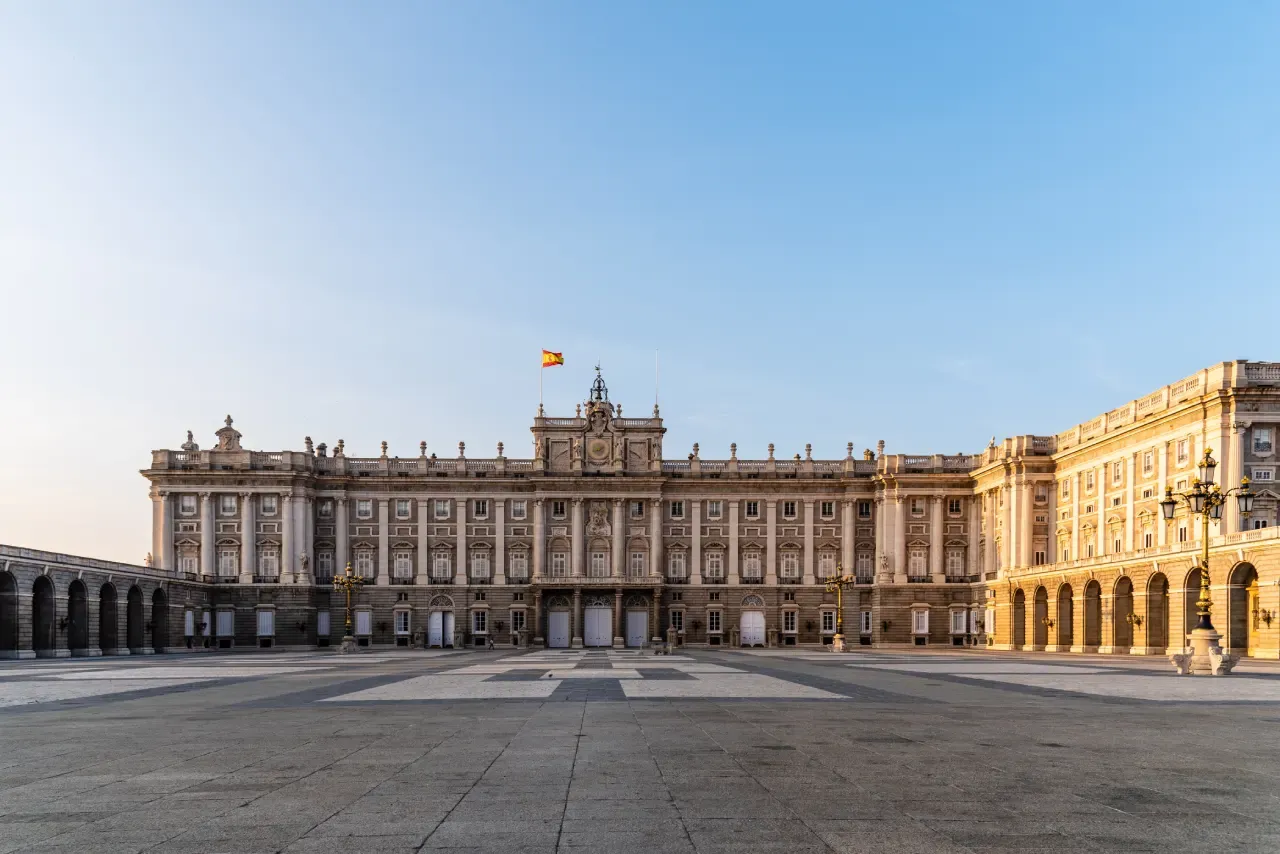
Once you are done with Prado Museum, there are so many other things to do in Madrid. You can take food tours, walk tours, go to the gardens, or shop. Some of the things you should not miss are Retiro Park, the Royal Palace of Madrid, and Puerta del Sol.
Royal Palace Madrid
Santiago Bernabeu Stadium

Warner Park Madrid
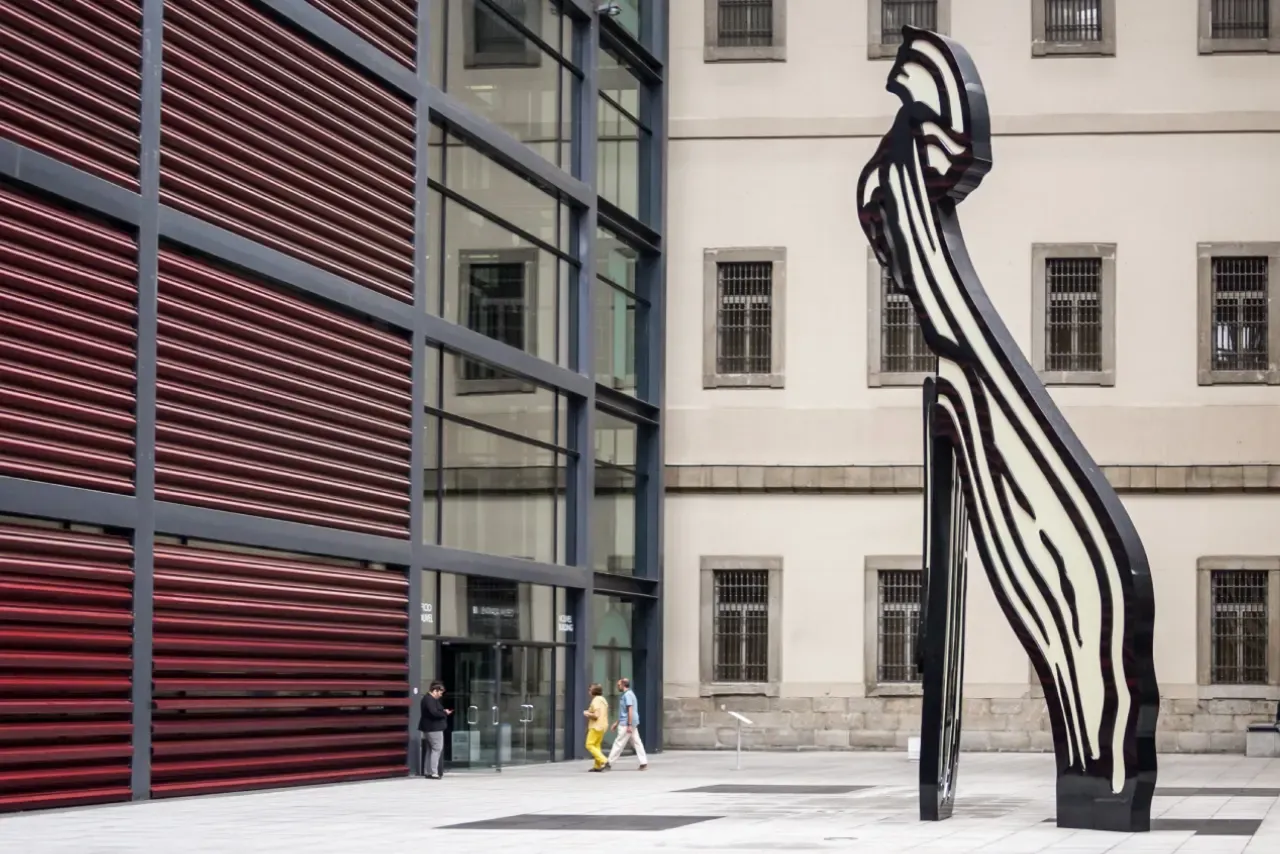
Museo Reina Sofía
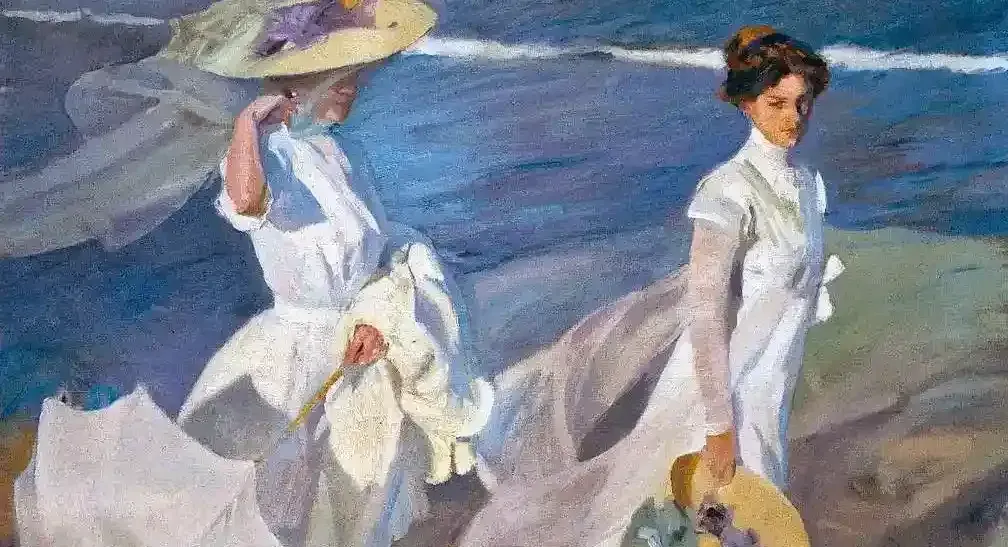
Sorolla Museum