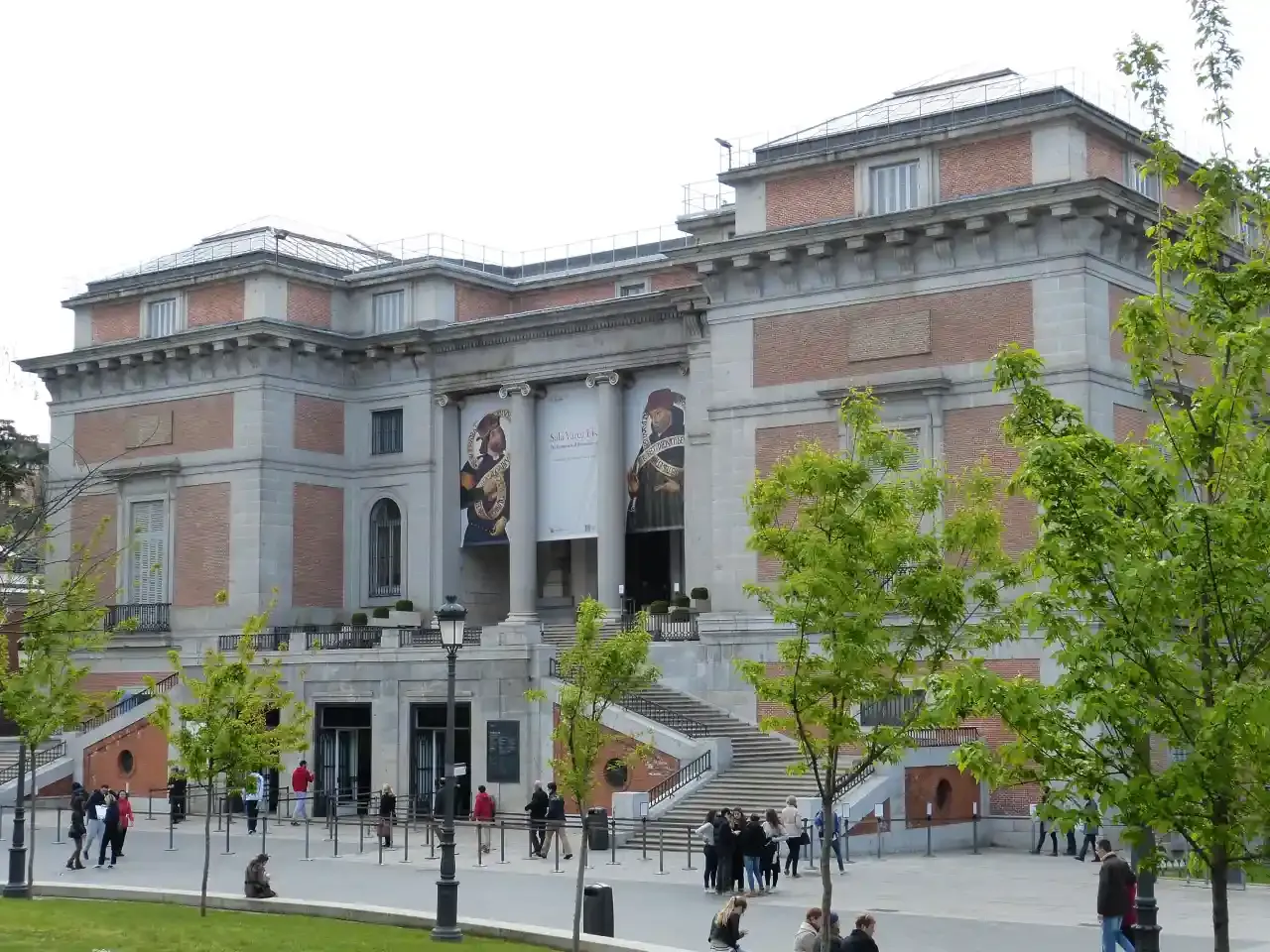
Most famous paintings in the Prado Museum
Here is our guide to the famous paintings in the Prado Museum, along with some tips to help you make the most of your visit and enjoy all the highlights.
Support when you need it
Customer support to help you with everything you need from 8:00 to 18:00.
Fast and online booking
Select your ticket for your needs and preferences and avoid the lines booking here.
Top attraction in Madrid
Enjoy masterpieces by Velázquez, Goya and other renowned artists at the Prado Museum.
What collections will I find at the Prado Museum?
One of the first things to know is that the Prado features both permanent collections and temporary exhibitions.
Within these galleries, you will find the most famous paintings in the Prado Museum, much of which grew from acquisitions and commissions made by Spanish monarchs over the centuries, making it a truly unique place.

Iconic permanent works
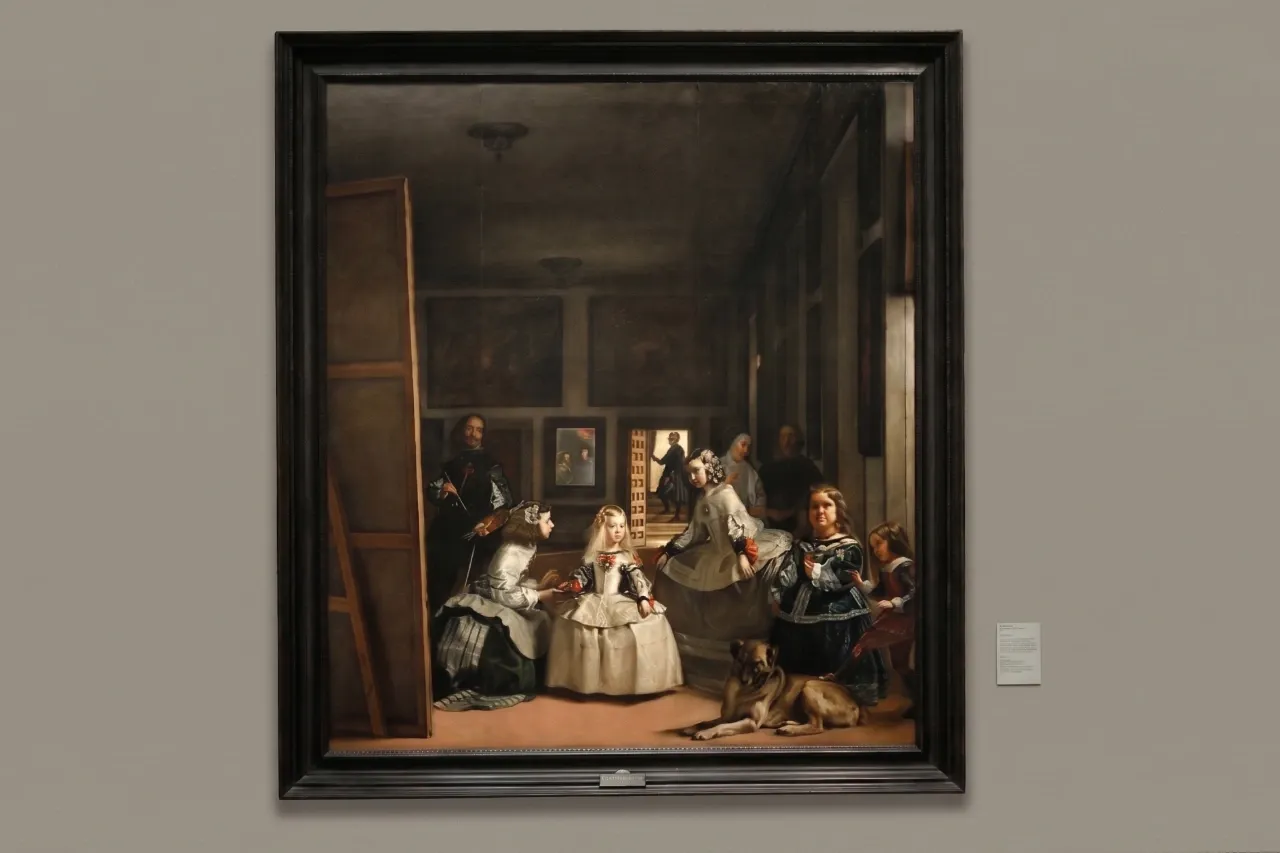
The most iconic works and the backbone of the collection are part of a fixed display and never change. For example, "Las Meninas" or "The Garden of Earthly Delights" are the stars of the show and you will always find them in their designated spots. This fixed section allows you to plan your visit knowing these great masterpieces will be waiting for you.
Another interesting aspect of the Prado is that the rooms are constantly being reorganized. Despite that fixed core of permanent collections, the museum frequently changes the layout of many works. They don’t do this just for the sake of variety, but to tell new stories, establish different dialogues between artists, or bring pieces out of storage that haven’t been seen in a while.
A curious fact about the Prado is that there are many “hidden” works. This means every visit can hold a surprise, as you might suddenly encounter a painting that wasn’t there the last time you visited. Just imagine the sheer volume of art they treasure!
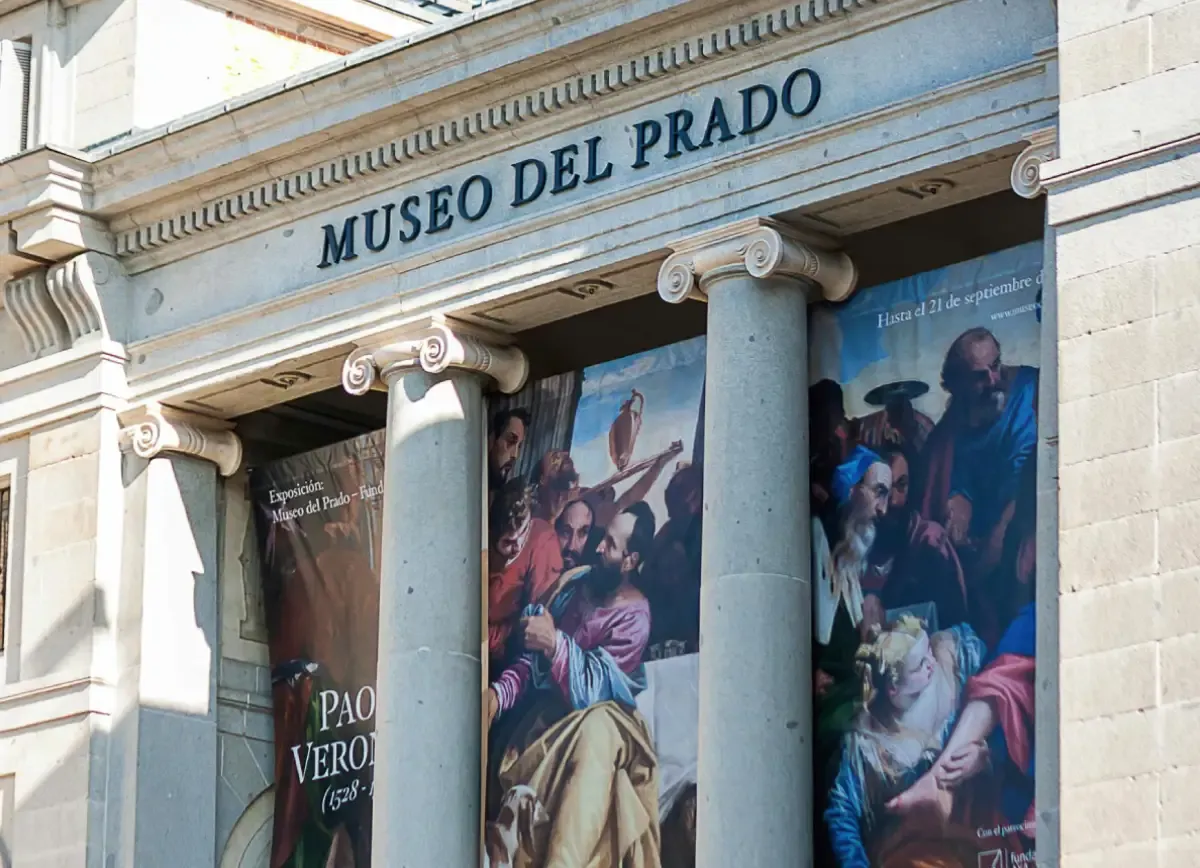
The ideal strategy for your first visit
If you’ve never been to this great Madrid museum, or even if it’s been a long time, our advice is to spend most of your time on the permanent collection. You simply have to see the undisputed masterpieces!
Once you’ve taken in their grandeur and fallen in love with the Velázquez and Goya rooms, which house many of the most famous paintings in the Prado Museum, plan a second visit (if you have the chance) to enjoy the temporary collections. This way, you ensure you don’t leave without seeing the essentials.
Which are the top 10 paintings in the Prado?
Making a top 10 of the Prado’s paintings is a difficult task, because the quality of the art it holds is overwhelming. Still, there is a group of works that are absolutely essential and that you simply have to see. These are the most famous masterpieces that have stood the test of time and have shaped the history of universal art:
- "Las Meninas" by Diego Velázquez
- "The Spinners" by Diego Velázquez
- "The Garden of Earthly Delights" by Hieronymus Bosch
- "The Nude Maja" by Francisco de Goya
- "Christ Crucified" by Diego Velázquez
- "The Nobleman with his Hand on his Chest" by El Greco
- "The Annunciation" by Fra Angelico
- "The Immaculate Conception" by Bartolomé Esteban Murillo
- "The Third of May 1808 in Madrid" by Francisco de Goya
- "Saturn Devouring His Son" by Francisco de Goya
1. "Las Meninas" by Diego Velázquez
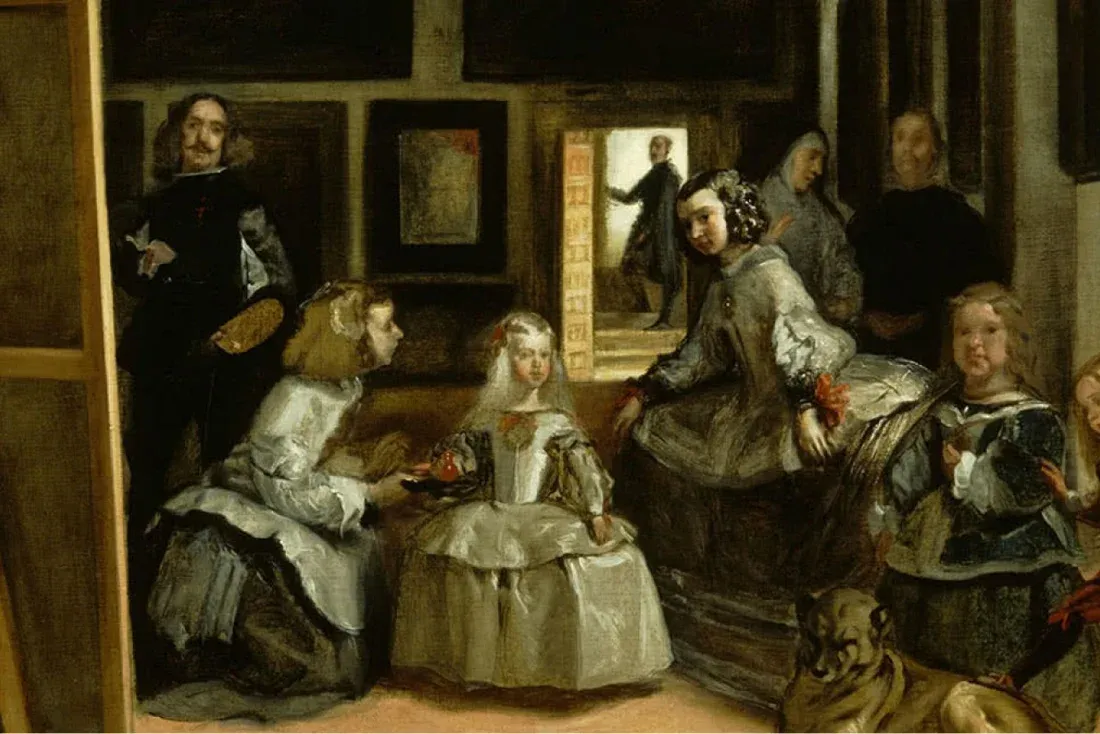
1. "Las Meninas" by Diego Velázquez
This is, without a doubt, one of the most complex and fascinating works in art history. “Las Meninas” tops every list of Prado paintings and, as one Reddit user puts it: “Las Meninas by Velazquez is a masterpiece. You won’t miss it.”
This painting is a portrait of the Infanta Margarita and her entourage looking outward, breaking the “fourth wall.” Margarita Teresa of Austria was the daughter of King Philip IV and his second wife, Mariana of Austria. In Velázquez’s work, she is shown at five years old, representing the primary hope for dynastic continuity for the Spanish crown at a time when there was no healthy male heir.
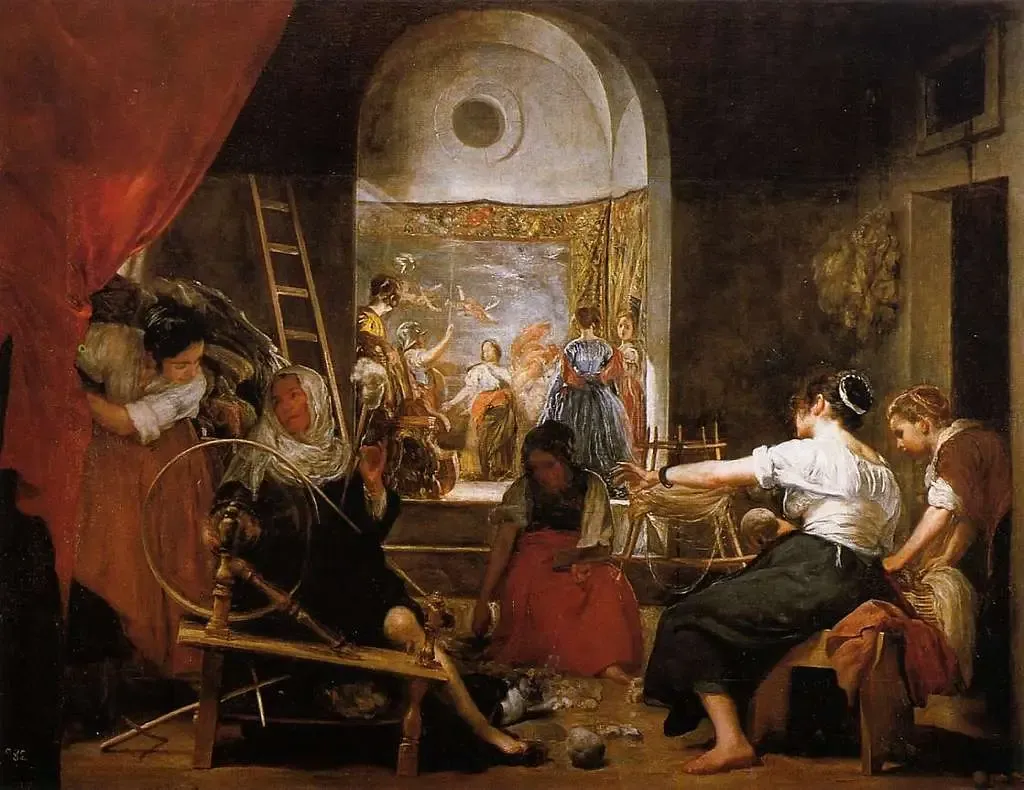
2. "The Spinners" by Diego Velázquez
Another undisputed work by Velázquez is “The Spinners” (or “The Fable of Arachne”). At first glance, it looks like a simple genre scene of women working hard in a tapestry workshop. But here is the interesting twist: Velázquez hides a deep mythological narrative within the painting. The scene represents the myth of Arachne and Athena (Minerva), where the goddess, disguised as an old woman, competes with the mortal weaver.
The key to the story is found in the background, where the final mythological scene is visible in full light: the punishment of Arachne. What is truly amazing about this work is how Velázquez uses light, color, and atmosphere to separate the two planes: the real world of hard work and shadow in the foreground, and the glorious, vibrant mythical world in the back.
3. "The Garden of Earthly Delights" by Hieronymus Bosch
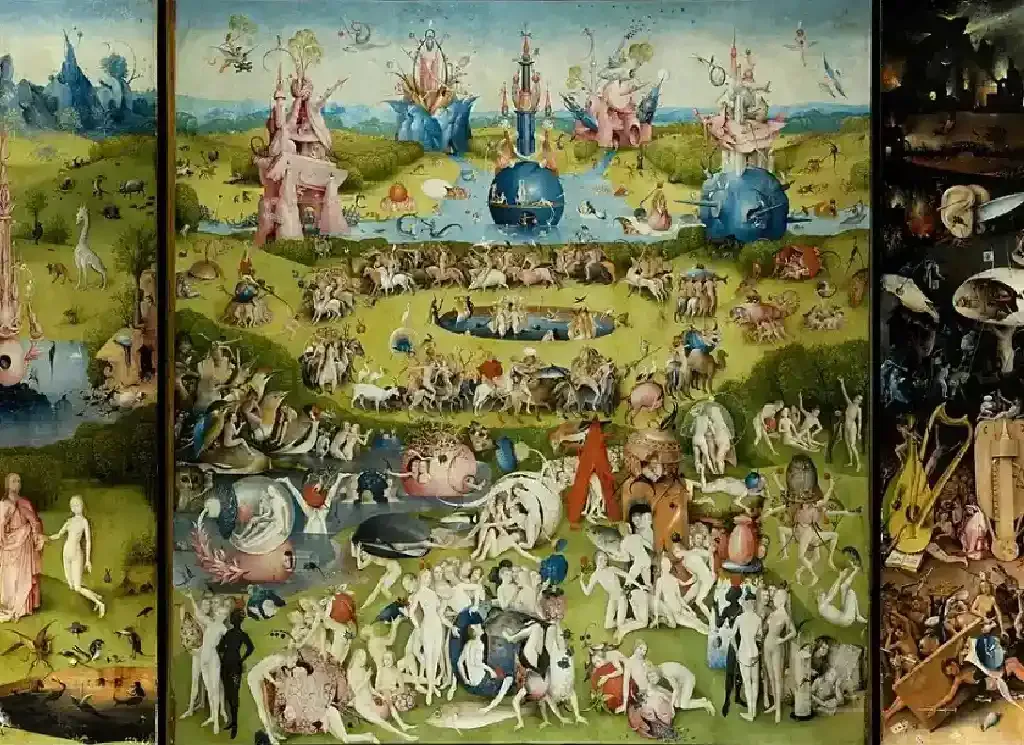
3. "The Garden of Earthly Delights" by Hieronymus Bosch
Prepare to step into a world of dreams, fantasy, and nightmares, because that is exactly what “The Garden of Earthly Delights” offers. This triptych by Bosch is one of the most famous paintings in the Prado Museum and one of the most enigmatic works you will ever see.
The left panel shows Paradise; the center is the famous garden where everything is pleasure and desire; and the right panel is Hell, filled with strange creatures and punishments. The detail with which Bosch paints every figure, animal, and object is astonishing. It is a work full of symbolism that you shouldn’t miss. As one Reddit user noted, “it stood out to me so much when I saw it, and I didn’t have it on my radar beforehand.”
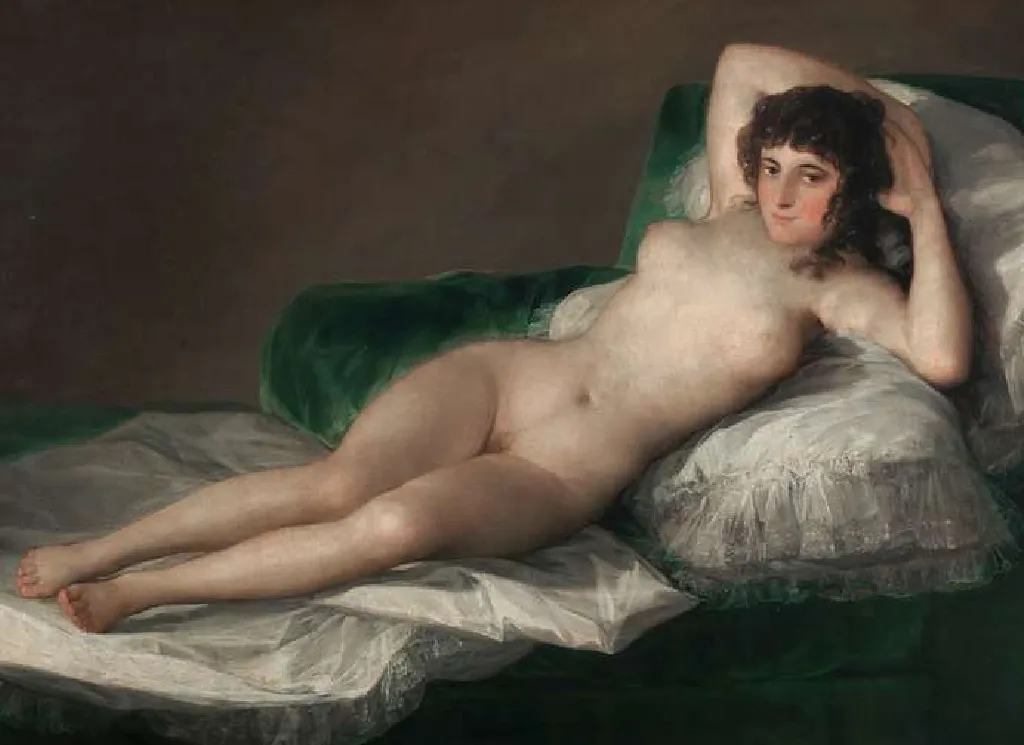
4. "The Nude Maja" by Francisco de Goya
We also cannot forget “The Nude Maja” by Francisco de Goya. This painting is one of the most controversial in history. It is one of the first works in Western culture to depict a nude woman without any mythological or allegorical justification, simply a woman at the center of attention, looking directly at the viewer.
It was an absolute transgression for its time (painted between 1790 and 1800). The female figure is shown with unusual sensuality and naturalness, using brushwork that highlights the shapes and the light on her skin. While the identity of the model is not known for certain, the painting exudes boldness and realism, marking a milestone in the history of the nude in art.
5. "Christ Crucified" by Diego Velázquez
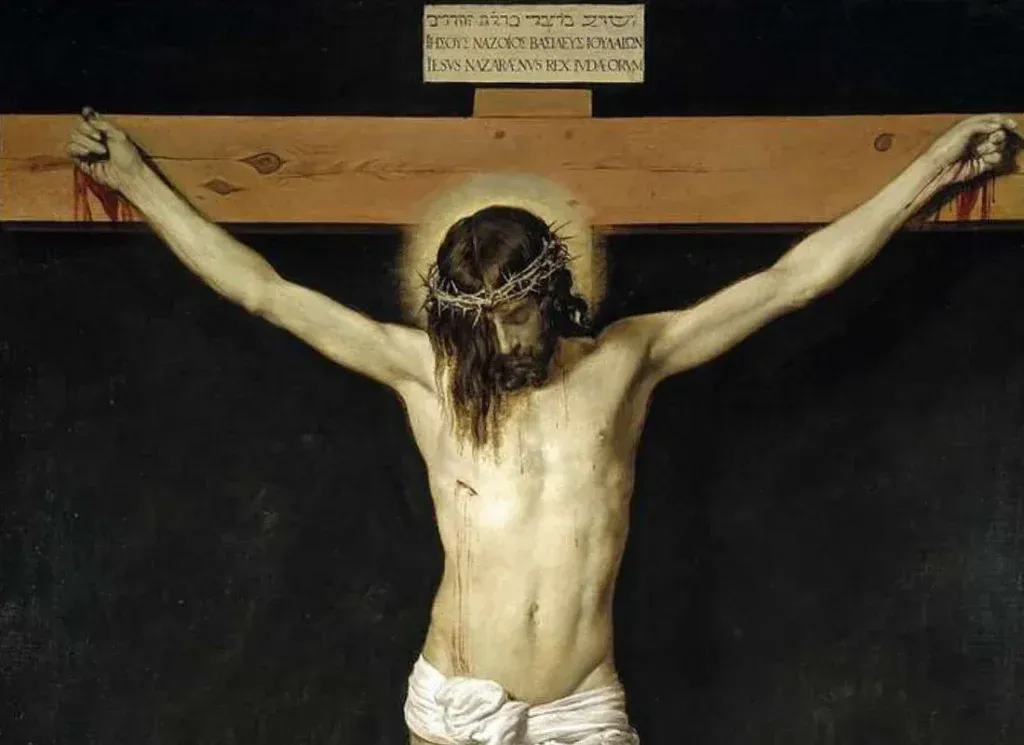
5. "Christ Crucified" by Diego Velázquez
Returning to Velázquez’s masterpieces, we find “Christ Crucified”. This work is one of the most famous and revered representations of Christ in art history. Unlike other Baroque painters who focused on explicit pain, blood, or narrative context, Velázquez offers a monumental, silent, and stripped-back image.
The figure of Christ is fixed with four nails, his head reclined and part of his face hidden by long hair, adding a touch of mystery and profound solemnity. The completely dark background enhances the whiteness of his body, creating a powerful chiaroscuro effect that isolates and dignifies the figure.
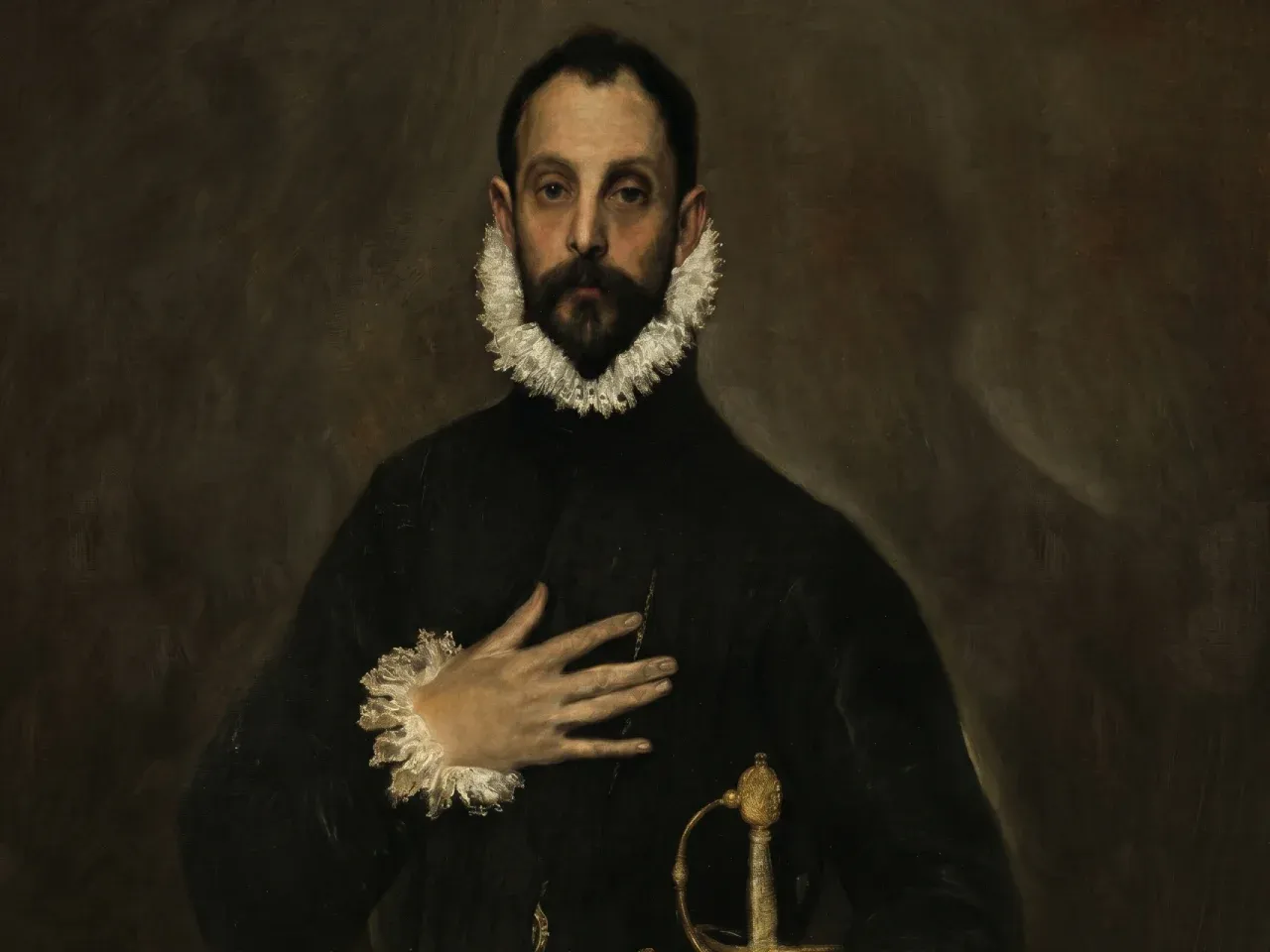
6. "The Nobleman with his Hand on his Chest" by El Greco
"The Nobleman with his Hand on his Chest" is the iconic image of the Spanish nobility of the late 16th century and one of El Greco’s most recognizable masterpieces. This work captures you immediately through the intensity of the nobleman’s gaze and the gesture of his hand on his chest, which could represent an oath or a display of his chivalry.
El Greco’s palette, with its sober colors and the strong contrast between the dark suit and the white ruff, is masterful. His style, characterized by elongated figures and the drama that permeates the scene, makes this art unmistakable. It is one of the most famous and moving paintings in the museum.
7. "The Annunciation" by Fra Angelico
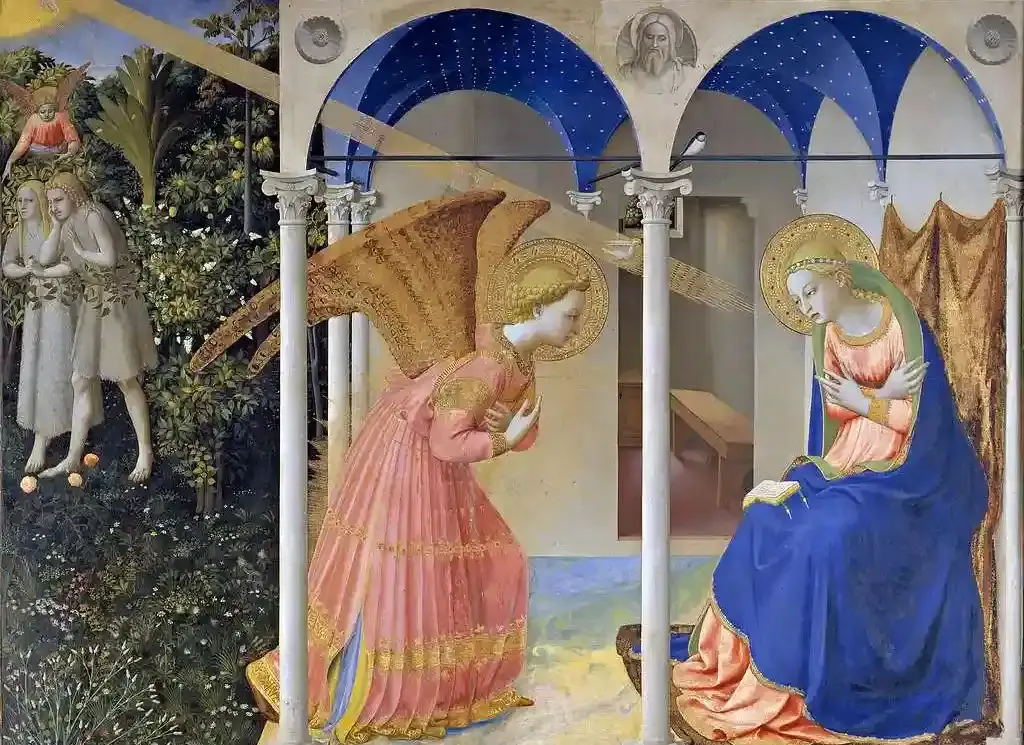
7. "The Annunciation" by Fra Angelico
If you are looking for a work that conveys unparalleled peace and delicacy, you must stop before “The Annunciation” by Fra Angelico. This piece of early Italian Renaissance art is famous for its exquisite beauty and luminosity.
The composition, featuring the Angel Gabriel and the Virgin Mary under a portico, is painted with a purity of line and a use of color that transports you directly to 15th-century Florence. Fra Angelico, a Dominican friar, imbued his work with deep spirituality, making the biblical scene feel both intimate and celestial. It is a stunning example of the art and devotion of its era.
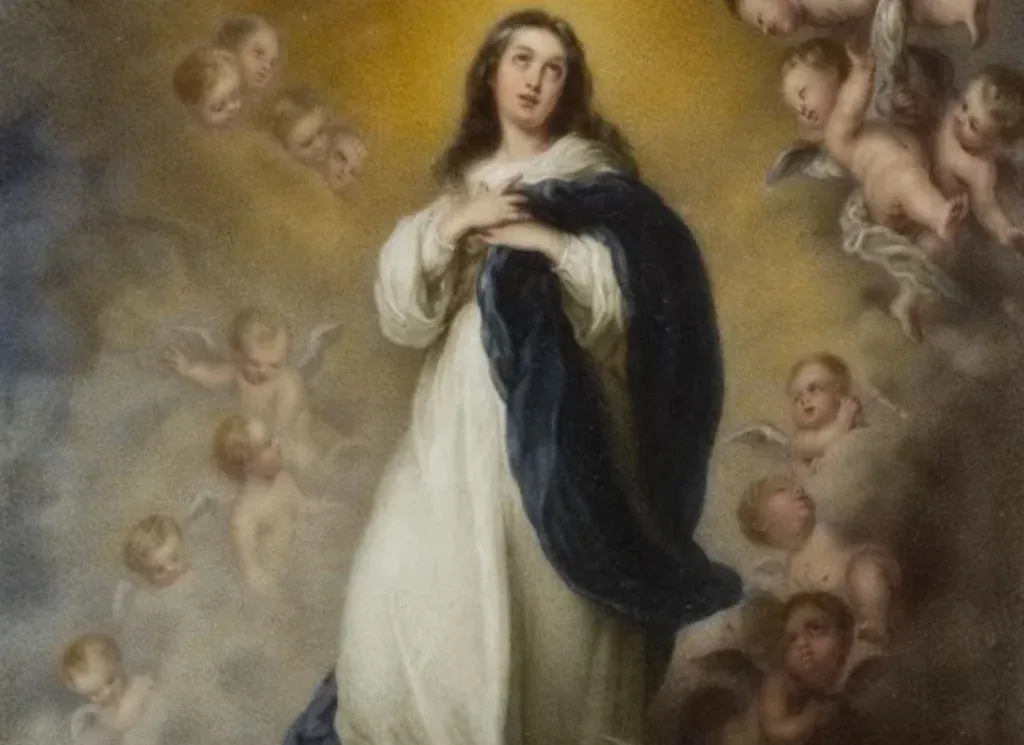
8. "The Immaculate Conception" by Bartolomé Esteban Murillo
17th-century Seville was captured in the art of Murillo, and “The Immaculate Conception” is one of the most beautiful and emblematic works of Spanish Baroque painting. The figure of the Virgin rises to heaven on clouds and cherubs, with a sense of movement and light that gives her a feeling of weightlessness.
Murillo was a master of soft light and warm colors, giving the image a unique tenderness and grace. This work is the epitome of Andalusian religious painting and is one of the must-see masterpieces at the Prado. The expression of devotion on the Virgin’s face is sure to impress you.
9. "The Third of May 1808 in Madrid" by Francisco de Goya
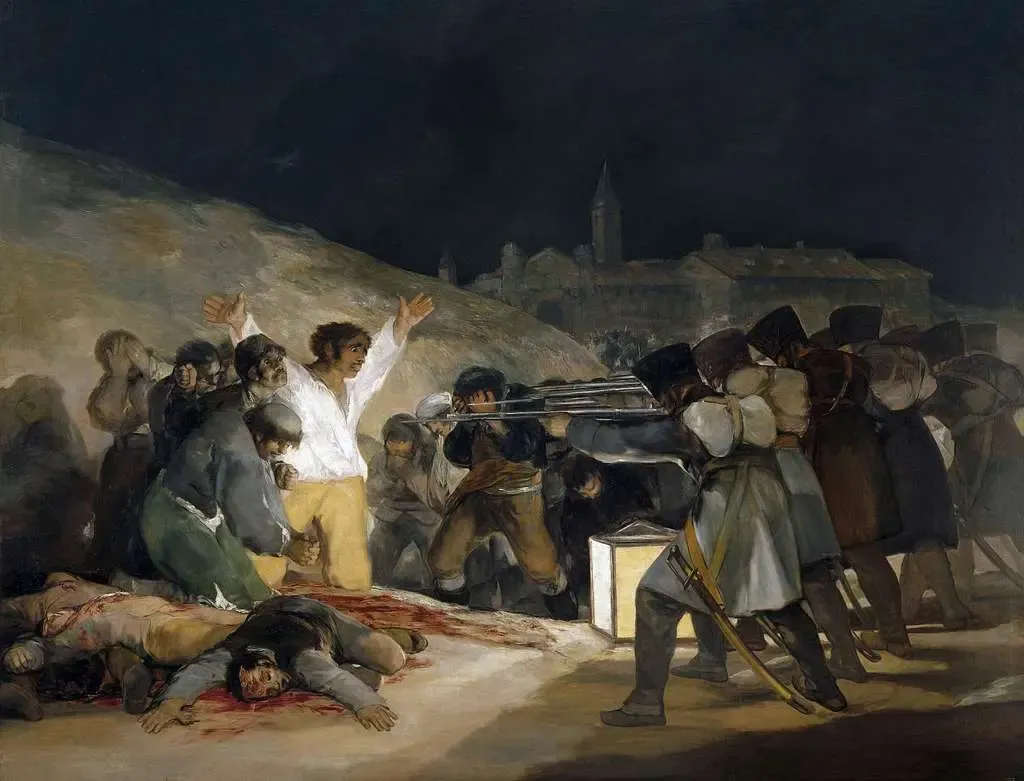
9. "The Third of May 1808 in Madrid" by Francisco de Goya
If you want to experience the horror of war captured in art, Goya’s “The Third of May 1808 in Madrid” is one of the most famous and moving examples. Goya shows us the execution of Spanish patriots by Napoleonic troops in a heartbreaking cry against violence.
The central figure, illuminated by a lantern with arms wide in a gesture of crucifixion or total helplessness, is a visual powerhouse you won’t forget. The contrast between the light falling on the victims and the darkness of the night, combined with the impersonal line of the French soldiers, makes this masterpiece a timeless protest. This work is undoubtedly in the top 10 of Prado paintings that will make you reflect.

10. "Saturn Devouring His Son" by Francisco de Goya
Of Goya’s famous “Black Paintings,” “Saturn Devouring His Son” is perhaps the most shocking and terrifying. Painted directly onto the walls of his home, the Quinta del Sordo, this work confronts us with madness, time, and mythological horror.
The god Saturn, devouring his son for fear of being dethroned, is presented with a ferocity and an expression of dementia that is deeply unsettling. Goya’s technique, with thick brushstrokes and dark colors, heightens the nightmare-like quality. It is an intense, visceral work, one of those that leaves no one indifferent, and it closes our top 10 list with a dose of dark genius.
FAQs about the paintings in the Prado
More information about the Prado Museum
Prado Museum Tickets
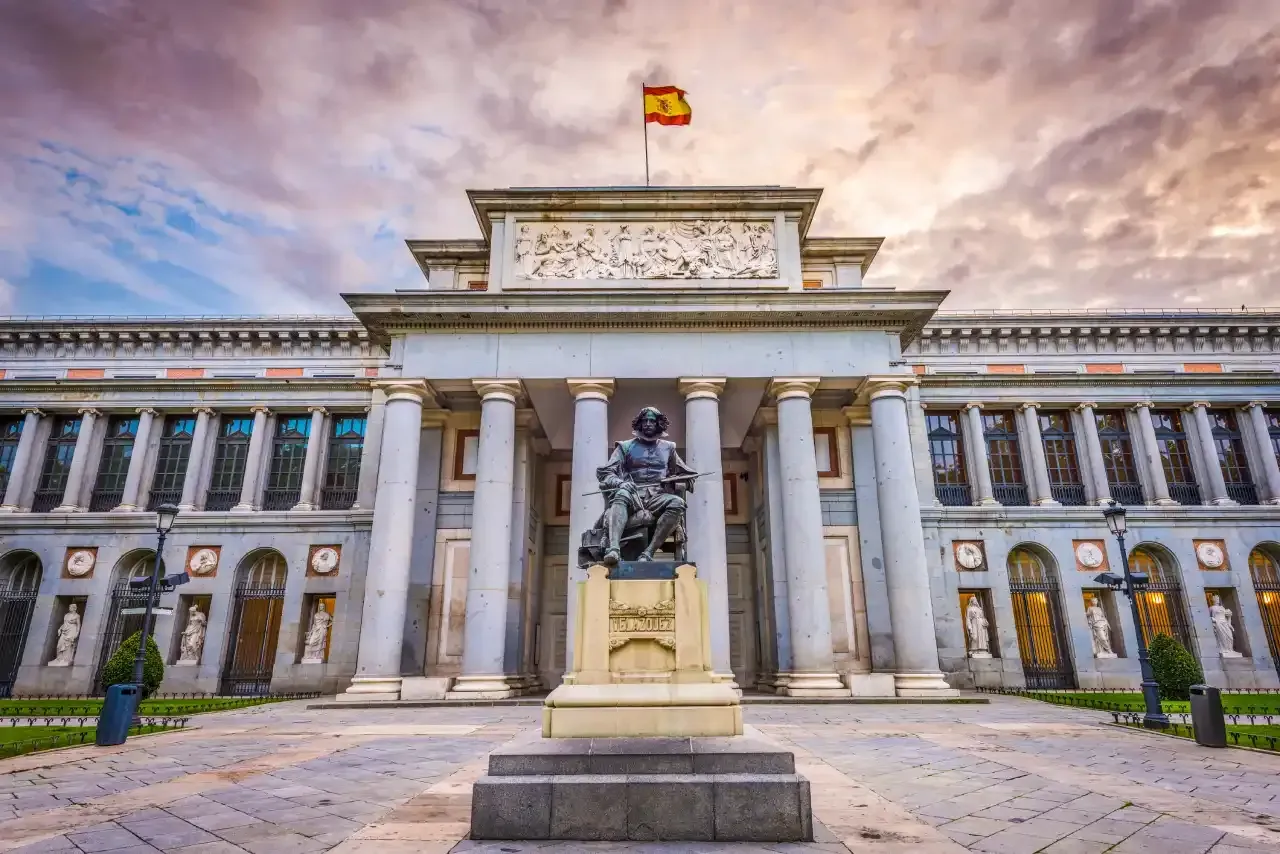
Located in the heart of Madrid, the Prado Museum is one of the city’s most iconic attractions and a must for anyone visiting the capital. Home to the world’s finest collection of Spanish painting, along with masterpieces from other European schools, it offers an unforgettable journey through centuries of art.
With over 15,000 m² of exhibition space and works by more than 5,000 artists in its archives, the museum invites you to explore its vast galleries at your own pace. Entry requires a ticket, and opening hours vary depending on the day so planning ahead is key.
Secure your ticket now and make sure you don’t miss this essential Madrid experience!